


 Breaking News
 Natasha
 Natasha
 May 10 2026
 389
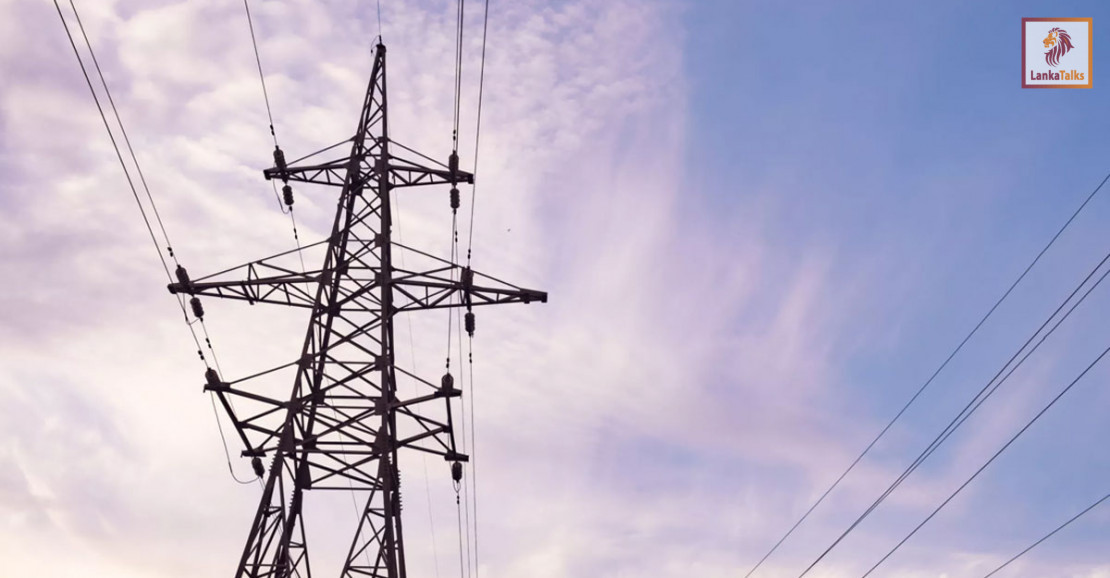
389The Public Utilities Commission of Sri Lanka, the island nation’s power regulator, approved an 18 percent electricity tariff hike for consumers using more than 180 KWh units, effective from May 11, it said on Saturday (09).
The PUCSL said the special electricity tariff revision was based on cost estimates submitted by the National System Operator on April 28.
“The PUCSL reached its final decision today after considering the proposals submitted during the public consultation regarding the proposed tariff revision and the government’s subsidy policies,” the regulator said in a statement.
The latest revision comes on top of a 25.3% hike effective from April 1 for the consumers using over 180 KWh in the last revision.
The PUCSL said the latest tariff revision will not increase the tariff for 95 percent of consumers.
The second tariff hike comes amid soaring fuel costs, a controversial coal tender that resulted in the import of lower quality coal and the energy minister’s resignation last month.
The opposition parties had predicted the inevitable price hike after the lower quality coal import.
However, the PUCSL said it decided to issue a directive to the National System Operator to ensure that the additional electricity generation costs incurred due to the coal shortage are not included in the electricity tariff.
“Accordingly, the National System Operator shall pay the additional costs incurred due to the coal shortage to the Electricity Generating Company (EGC) and submit a report to the Commission monthly.”
The latest price revision approved a reduction in the unit price for low-consumption domestic users.
The PUCSL said the fixed charge and energy charge for the first 30 units and the 31-60 unit blocks were adjusted to provide relief to low-income households.
Tariffs for religious places and charitable institutions were also revised downward to support their social and community services.
“To encourage the transition to green energy, a new tariff structure has been introduced for EV charging stations. This includes specific rates for “Off-Peak,” “Day,” and “Peak” hours to manage the load on the national grid effectively,” the PUCSL said.