

 Breaking News
 Sheron
 Sheron
 Apr 07 2026
 395
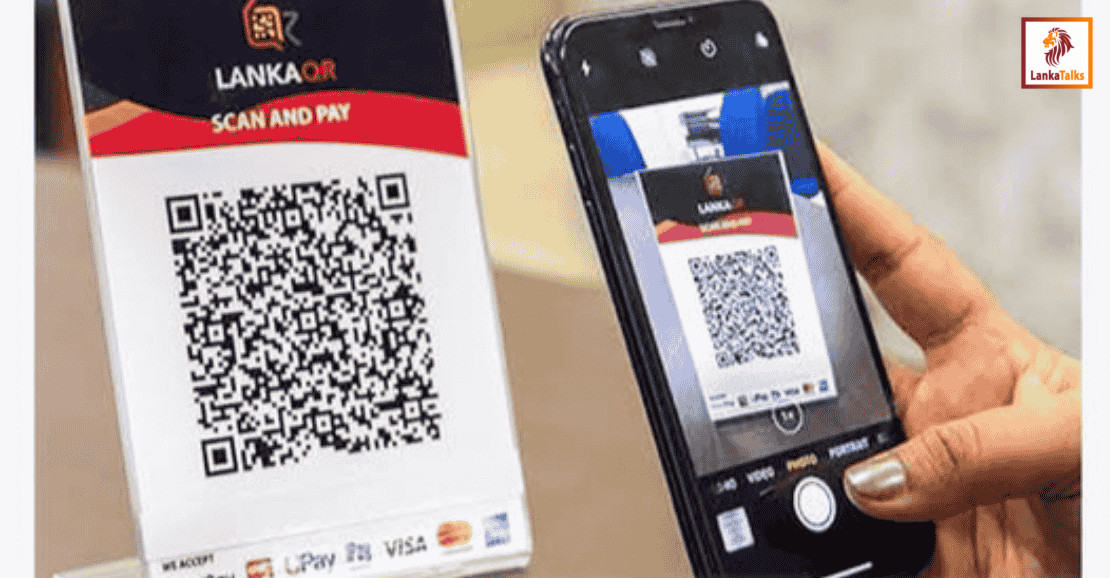
395Sri Lanka has waived the service fee charged to merchants for all LankaQR transactions up to 5,000 rupees with effect from today (6), and introduced enhanced person-to-person (P2P) transfer features on its national payment network.
Central Bank Governor P Nandalal Weerasinghe, speaking at the launch event on Monday, admitted that progress on the ‘LankaQR’ system has been “insufficient” since its introduction in 2018.
To bridge this gap, the regulator is shifting focus toward the rural economy and small-scale merchants.
The most significant change is the removal of transaction fees for payments under 5,000 rupees.
Weerasinghe noted that small shops often operate on thin margins and have historically avoided digital payments due to high bank commissions.
“Small shops operate on a very small profit. Unlike supermarkets that get discounts on card payments, small vendors find commissions higher than their profit. By making transactions under 5,000 rupees free, we are removing that problem,” he said.
“The primary objective of this is to lead Sri Lanka towards a cash-lite economy. Accordingly, effective today (06), financial institutions have taken steps to completely remove the Merchant Discount Rate (MDR) charged by merchants for all LankaQR transactions up to Rs. 5,000. The objective of this is to enable small-scale merchants to accept digital payments without any additional cost,” Eranga Weeraratne, Deputy Minister of Digital Economy, said.
The second pillar of the new strategy is streamlining P2P transactions.
Drawing inspiration from India’s success, the Central Bank aims to replace cash in the village economy — particularly in the trade of paddy and vegetables.
Currently, bank transfers are seen as cumbersome, requiring account numbers and one-time passwords (OTPs).
The new QR-based P2P system is intended to make these interpersonal payments seamless and as fast as handing over cash.
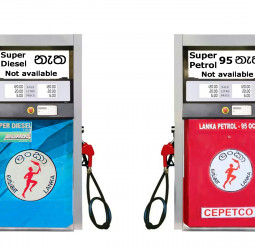
The government is looking to replicate the success of the National Fuel Pass, which demonstrated that Sri Lankans are ready for QR technology.
Hans Wijayasuriya, Chief Advisor to the President on Digital Economy, said that the fuel QR system currently handles 800,000 transactions per day, dwarfing the 300,000 daily transactions made via credit cards.
The state now aims to scale monthly QR transactions from the current 90,000 to 1,000,000 within the next six months.
source: Economy Next