

 Breaking News
 A.R.B.J Rajapaksha
 A.R.B.J Rajapaksha
 May 17 2026
 69
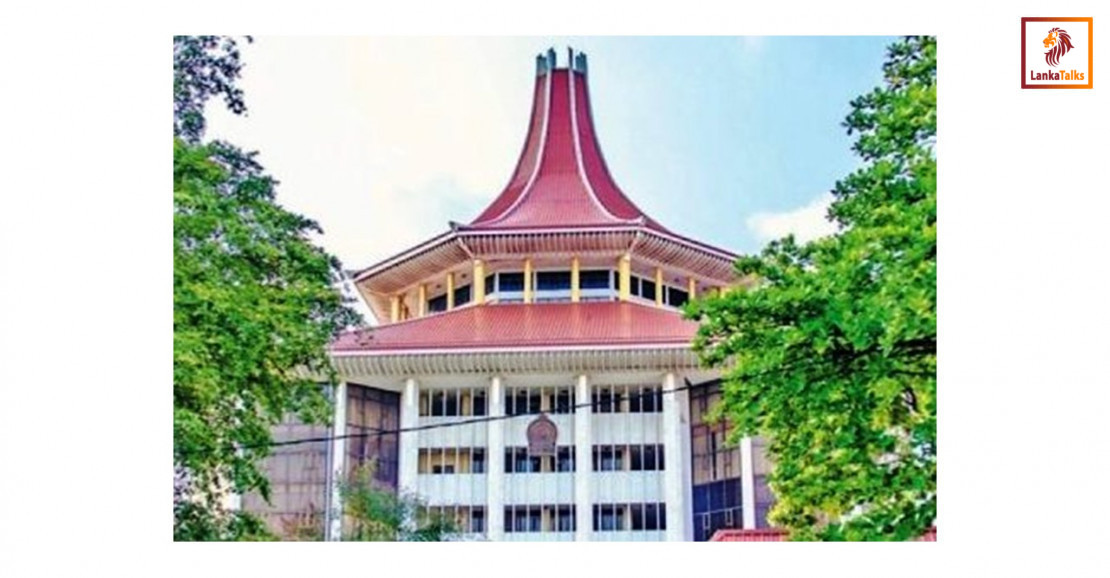
69A group comprising liquor licence holders and a social activist has filed a writ application before the Court of Appeal seeking judicial intervention over what they describe as serious regulatory failures in Sri Lanka’s beer manufacturing and distribution sector, while also raising concerns over the adverse impact on local farmers and traditional agricultural industries.
The petition, filed under Article 140 of the Constitution, names several key State institutions and officials as respondents, including the Department of Excise, Consumer Affairs Authority, Ministry of Health, Sri Lanka Standards Institution (SLSI), Government Analyst, Attorney General, and several leading beer manufacturers operating in the country.
The petitioners are Don Gregory Ajith Udugama, Chaminda Kuruppuarachchi, and social activist M.M. Sanjaya Mahawaththa. The application alleges failures in enforcing manufacturing and quality standards, unlawful distribution practices, tax irregularities, and the creation of monopolistic conditions within Sri Lanka’s beer industry.
According to the petition, one of the principal concerns relates to the alleged use of rice and sugar as major ingredients in beer manufacturing. The petitioners argue that such practices are inconsistent with the definition of beer under the Excise Ordinance, which defines beer as fermented liquor manufactured from malt. The application claims that certain manufacturers are utilising rice as a primary ingredient while also adding sugar in substantial quantities, allegedly contrary to accepted standards and regulatory expectations.
The petitioners further contend that the increased use of imported or alternative raw materials has negatively affected local farmers engaged in cultivating traditional crops associated with alcohol production and related agricultural supply chains. They argue that reduced demand for locally sourced ingredients has weakened rural incomes and undermined agricultural communities already facing economic hardship. The petition also claims that market domination by a few large manufacturers has limited opportunities for smaller suppliers and producers connected to the sector.
The writ application additionally raises concerns over public health implications, alleging that inadequate enforcement of manufacturing standards may expose consumers to products that do not comply with prescribed quality requirements. According to the petitioners, such failures could increase pressure on the public healthcare system while compromising consumer safety.
The petition also alleges unlawful distribution arrangements involving third-party agents operating without proper liquor licences. The petitioners claim these practices may facilitate tax evasion, including the avoidance of excise duties, VAT, and Social Security Contribution Levy payments, resulting in significant losses to State revenue.
Further, the application alleges that certain incentive schemes offered to retail liquor licence holders by beer manufacturers have contributed to anti-competitive practices and monopolistic conditions within the industry. The petition claims that some retailers are financially induced to exclusively or predominantly sell products of a single manufacturer, thereby restricting competition and limiting consumer choice.
Among the relief sought, the petitioners have requested writs preventing the manufacture of beer using rice and sugar as principal ingredients, directions compelling authorities to introduce compulsory standards for beer under SLSI regulations, investigations into alleged unlawful distribution arrangements, and measures to prevent monopolistic practices in the beer manufacturing sector.
The petitioners have also sought interim relief suspending decisions permitting the manufacture of beer using rice and sugar until the final determination of the case.