


 Breaking News
 Krishani
 Krishani
 Sep 28 2026
 228
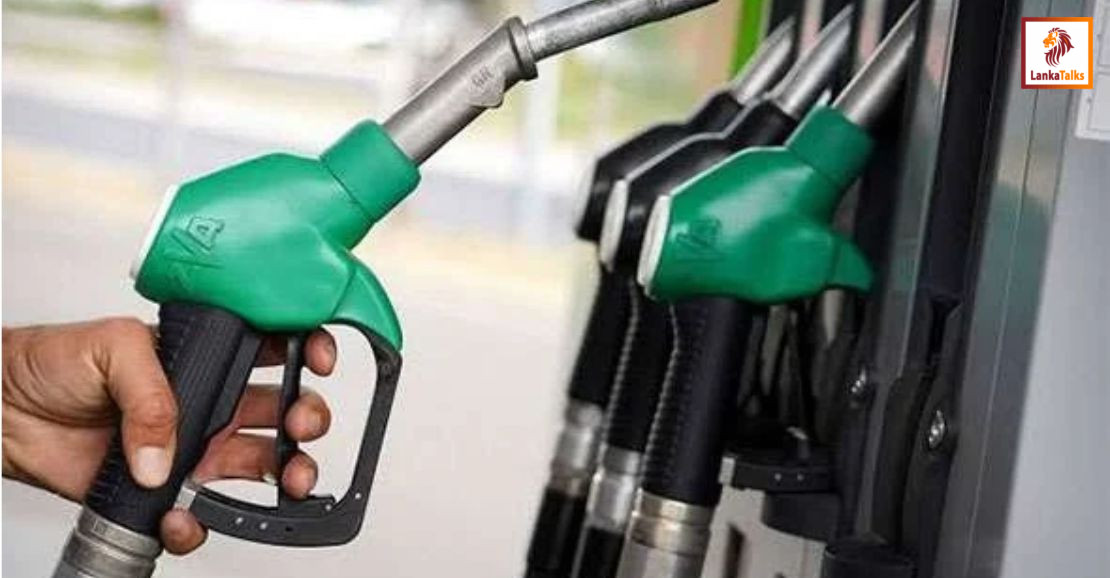
228Lanka Indian Oil Company (LIOC) Managing Director K. Raghu said the company was seeking a revision of the retail prices of fuel since the current prices were lower than even the minimum international market prices.
He said LIOC was procuring fuel from Singapore and India at the most competitive prices available, but the current retail selling price was insufficient to recover the cost of procurement.
According to Raghu, the company was incurring a loss of around Rs.140 per litre on diesel at the current retail price, based on figures up to September 26. He said LIOC’s procurement cost was around Rs.136 per litre and claimed that it was the lowest among the three foreign companies operating in the local fuel market, including RM Parks and Sinopec.
He said the company’s procurement prices were also reflected in the lower losses per litre reported to the government.
Mr. Raghu said the current retail prices were below the prevailing Mean of Platts Singapore (MOPS) prices, which are used as a benchmark for petroleum products in the region.
He said the prevailing international market price for diesel was around US$172-173 per barrel, while the current retail price in Sri Lanka was equivalent to a much lower international price of around US$125 per barrel.
“There is no way anybody can procure at a better price,” he said, stressing that any importer would have to pay at least the Singapore market price plus freight costs.
He said the entry of the three foreign fuel companies had reduced the financial burden on the Treasury as they had captured around 35% of the market share.
He said the companies had incurred losses even during the first three months when subsidies were provided, adding that in their absence, the entire burden of absorbing the difference between international procurement costs and domestic selling prices would have fallen on the Treasury.
He said the companies were continuously working to secure fuel at the lowest possible prices but that international prices remained beyond their control.
“Crude prices are hovering around US$105, petrol prices around US$145 and diesel around US$170,” he said, referring to prevailing international market prices.
According to him, the current retail selling price (RSP) of petrol and diesel was considerably lower than even the minimum basic international market price, making it difficult for the companies to recover their procurement costs.
He called for a revision of the retail prices or a cost-plus pricing mechanism under which the selling price would reflect the actual cost of importing and distributing .