


 Breaking News
 Puvanya
 Puvanya
 Sep 28 2026
 229
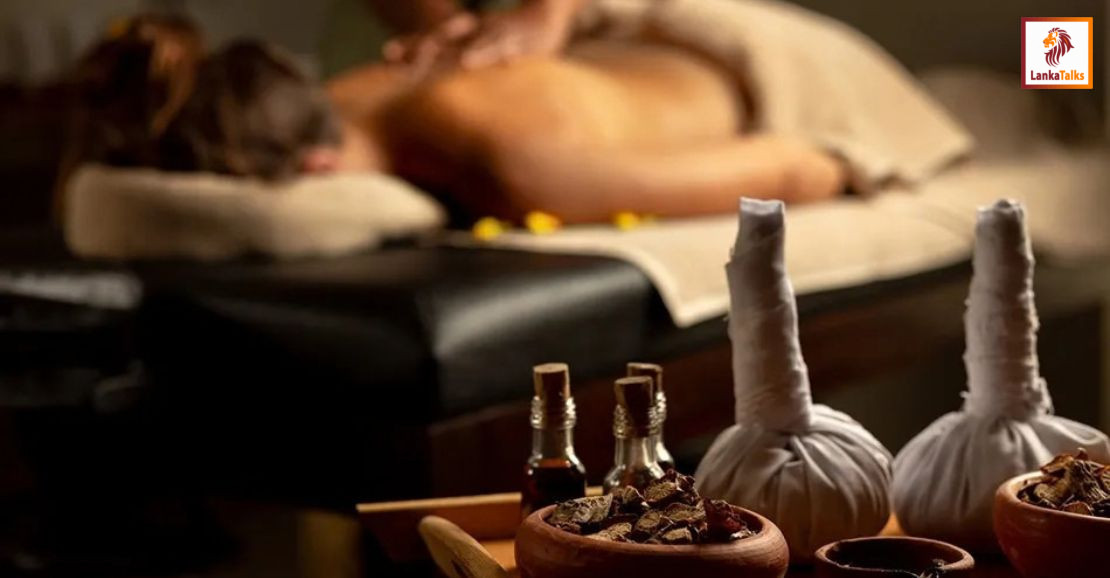
229Sri Lanka’s wellness tourism sector could become a key driver of higher tourist spending, following the country’s recognition as an emerging wellness destination globally, with the segment offering the potential to attract longer-staying visitors who spend more per person and boost per-tourist expenditure, Deputy Minister of Tourism Prof Ruwan Ranasinghe said on Ada Derana’s ‘The Nightly Business Report’ programme on Wednesday (23).
Prof. Ranasinghe said: “This year Sri Lanka was recognised as one of the leading or emerging wellness destinations in the world. Wellness tourism is a high spending sector because, normally when tourists visit, they are looking for long stays. Therefore, certainly Sri Lanka can target wellness tourists, who can stay longer in the country, as well as contribute to Sri Lanka’s per tourist expenditure increase. Wellness could be one of those key areas that we can look at to enhance the per tourist expenditure.”
“And to harness the full advantage of this, or to prevent this recognition from fading away in the light of the spa, we need to strictly regulate these operations, as we are working on to improve the tourism product,” he said.
The opportunity comes amid growing global demand for wellness travel, with the State of Retreats 2026 report by BookRetreats.com recording a 100% year-on-year increase in traveller interest in wellness retreats. Sri Lanka also secured the number one position in Big 7 Travel’s 50 Best Islands in the World 2026.
According to the Global Wellness Institute’s (GWI) 2025 Global Wellness Economy Monitor cited by The Daily Morning, the global wellness economy reached $ 6.8 trillion in 2024, growing by 7.9% from the previous year. The institute projects the sector will continue to expand at an annual rate of 7.6%, reaching almost $ 9.8 trillion by 2029.
Meanwhile, Cinnamon Life Kurundu Wellness Director Shane Gunasekara added: “Sri Lanka has pretty much everything to offer, starting from Ayurvedic wellness and indigenous wellness or Hela Wedakama; mountains, waterfalls and the coast.
“To enhance the sector, it is a matter of packaging this according to the wellness trend and new generations demand. Currently, the new generation is much more into wellness, nutrition, longevity, and movements,” he said.
Gunasekara added: “Sri Lanka still has significant room to capture the growing market. As per the Global Wellness Institute, it is projected that 36%-41% of more expenditure or revenue can be generated from wellness-oriented travellers.”