


 Breaking News

 Krishani
 Krishani
 Oct 14 2026
 41
41President Anura Kumara Dissanayake said the Government is working on a regulatory framework to safeguard investments and businesses while streamlining procedures for granting business approvals.
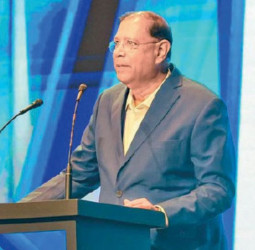
Addressing the Sri Lanka Economic and Investment Summit 2026, organised by the Ceylon Chamber of Commerce in Colombo on Monday, the President said the Government was focusing on resolving operational bottlenecks and administrative issues that hinder investment and business expansion.
He stressed the need to establish effective coordination mechanisms to facilitate entrepreneurs and strengthen the contribution of domestic businesses to economic growth. The Government is also exploring ways to expand business and service opportunities, particularly in rural areas, to create new economic avenues and build investor confidence. Despite ongoing global conflicts and economic uncertainties, the Government is making efforts to maintain an uninterrupted energy supply and sustain the country’s economic recovery, the President said.
He noted that relief measures were essential to support industries, businesses and households affected by internal and external shocks. Plans are underway to continue providing relief, including fuel and food supplies, during October, November and December, following assistance extended during the first five months. However, he identified shortcomings in data systems and the lack of accurate records as major obstacles to directing assistance to the intended beneficiaries. The Government is discussing mechanisms to ensure relief reaches those who genuinely need it.
The President also highlighted the role of the energy sector in economic recovery, noting that the Ceylon Petroleum Corporation had recorded a profit of Rs. 28 billion during the crisis.
He said the possibility of using part of the earnings of State institutions to provide relief to the public had gained attention, while the Government was examining ways to ease the burden of gas and diesel prices without increasing costs for consumers. He also raised concerns over private fuel suppliers allegedly restricting supplies to filling stations despite having stocks available at their depots. Ensuring stability in the energy sector through fair contributions from both public and private sector stakeholders is essential to keeping energy affordable for consumers and supporting business sustainability, he said