

 Breaking News
 A.R.B.J Rajapaksha
 A.R.B.J Rajapaksha
 May 01 2026
 246
246The Palm Oil Industry Association (POIA) recently organised a media roundtable in Colombo to discuss the economic impact of the palm oil industry on Sri Lanka’s economy, development agenda and long-term agricultural productivity.
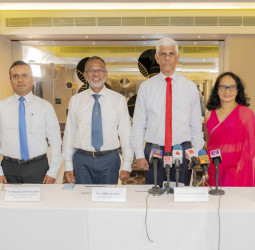
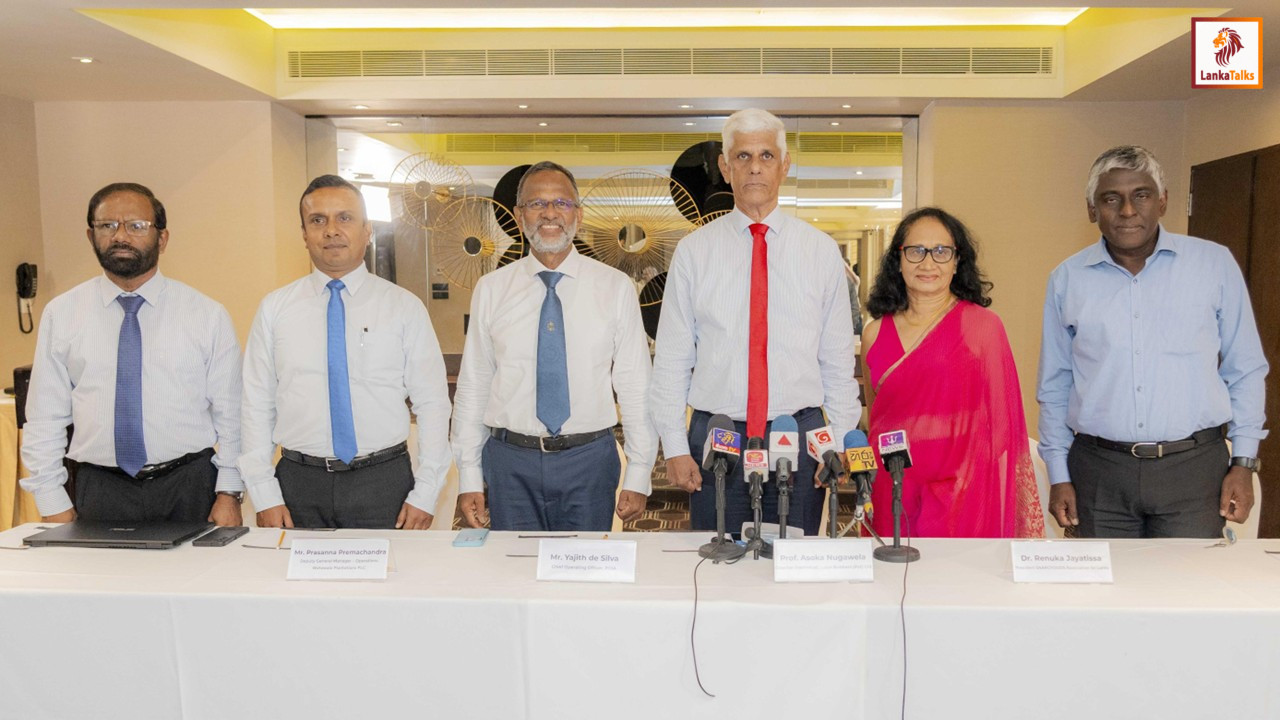
The media discussion brought together a panel of experts representing plantations, agriculture, nutrition, biodiversity and industry leadership. The head table comprised Mr. Yajith de Silva, COO, POIA; Prof. Asoka Nugawela, Lalan Rubbers (Pvt) Ltd; Mr. Prasanna Premachandra, Deputy General Manager – Operations, Watawala Plantations PLC; Dr. Renuka Jayatissa, President, SAARCFOODS Association Sri Lanka; and Prof. Devaka Weerakoon of the University of Colombo. The session was also attended by several leading plantation representatives, industry stakeholders and media personnel.
The session focused on the economic relevance of palm oil, particularly its role in reducing import dependency, conserving foreign exchange and improving the productivity of suitable plantation land. Speakers noted that palm oil remains an important input for food manufacturing, household consumption and several industrial applications, making local production a matter of wider economic importance rather than a narrow plantation-sector issue.
Prof. Asoka Nugawela noted that Sri Lanka’s restrictions on oil palm cultivation have limited the country’s ability to benefit from a high-yielding crop at a time when edible oil imports continue to place pressure on foreign exchange. “In 2025, Sri Lanka imported 38,210 metric tons of palm oil, compared to 33,696 metric tons of coconut oil, while palm oil imports stood at 34,708 metric tons in 2024. The total expenditure on palm oil imports in 2025 was around Rs. 140,022 million. With proper cultivation practices, oil palm can yield around four metric tons of oil per hectare, and at a global market price of approximately USD 1,100 per metric ton, the economic opportunity for Sri Lanka is significant,” Prof. Nugawela said.
The discussion further highlighted that around 8,000 hectares identified for new cultivation could have contributed meaningfully to domestic edible oil production, plantation-sector diversification, rural employment and potential export earnings, had cultivation been allowed under structured and responsible guidelines. Participants also noted that a carefully regulated approach could support the country’s broader economic recovery by strengthening local value chains and reducing avoidable import expenditure.
The session also addressed common perceptions around palm oil, including health, nutrition, water use and biodiversity. Dr. Renuka Jayatissa shared insights on the nutritional profile of palm oil, while Prof. Devaka Weerakoon contributed to the discussion on environmental considerations and the importance of responsible land-use planning.
POIA stated that the engagement was intended to encourage informed media dialogue, address misconceptions, and support a more constructive national conversation on the future of Sri Lanka’s palm oil industry. The Association further emphasised that policy decisions should be supported by science, economic realities, environmental responsibility and the country’s broader development agenda.
Caption -
From Left - Prof. SP Nissanka, University of Peradeniya, Mr. Prasanna Premachandra – Deputy General Manager – Operations, Watawala Plantations PLC, Mr. Yajith de Silva - COO, POIA, Prof. Asoka Nugawela – Lalan Rubbers (Pvt) Ltd, Dr. Renuka Jayatissa - President SAARCFOODS Association Sri Lanka, Prof. Devaka Weerakoon, University of Colombo