


 Breaking News
 Krishani
 Krishani
 Sep 28 2026
 196
196As Sri Lanka marks World Rabies Day today, the country’s approach to controlling the deadly disease has come under sharp criticism, with the Veterinary Surgeon and Animal Welfare Coalition (AWC) alleging that authorities have placed greater emphasis on treating people after dog bites than preventing rabies at its source.
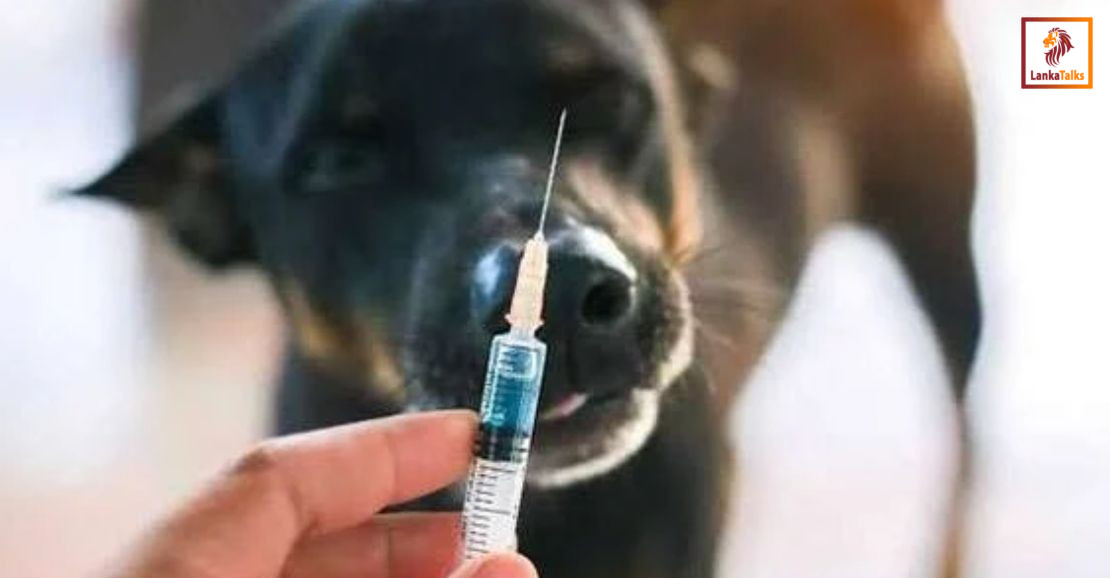
A veterinary surgeon associated with the AWC alleged that billions of rupees were being spent on post-exposure treatment of people while insufficient attention was being given to mass vaccination of dogs, which remain the principal source of human rabies transmission.
Describing the situation as a “racket,” he alleged that low-quality vaccines were being used for dogs while costly vaccines were being imported and administered to people following suspected exposure.
“Every day should be Rabies Day because the virus does not take holidays,” he said, stressing that sustained, high-quality vaccination of dogs was essential to eliminating rabies.
The veterinary surgeon also alleged that the Ministry of Health had failed to properly implement a five-year rabies elimination programme developed in 2020 with the participation of the World Health Organization (WHO) and other stakeholders.
He claimed an assessment conducted in 2025 had found that the programme had not been adequately implemented.
According to the AWC representative, Sri Lanka’s rabies-control strategy had become disproportionately centred on post-exposure prophylaxis for people bitten or exposed to suspected rabid animals, instead of achieving adequate vaccination coverage among dogs.
He also raised concerns about the capacity of the field vaccination programme, claiming that Sri Lanka had only around 250 vaccinators, of whom at least 100 were not permanent employees.
He alleged that a lack of vehicles and other logistical resources had further restricted the ability of vaccinators to carry out effective islandwide dog-vaccination campaigns.
“The priority should be to vaccinate dogs in the field. Instead, the focus has been on importing vaccines at enormous cost and treating people after they are bitten,” he alleged.
The veterinary surgeon also questioned the utilisation of funds allocated for dog population control.
He claimed that although Rs. 200 million had been allocated for dog population control in 2024, only around Rs. 100 million had been utilised, with the remainder returned to the Treasury.
Similarly, he claimed that of the Rs. 200 million allocated for the programme in 2025, only around Rs. 32 million had been spent.
He argued that the alleged under-utilisation of allocated funds raised questions about the effectiveness and commitment of the existing rabies-control mechanism.
The allegations come as the Government moves towards introducing legislation aimed at strengthening rabies control and regulating the dog population.
Under the proposed framework, responsibility for dog vaccination and population control would be transferred to the Department of Animal Production and Health, while local authorities would be responsible for dog registration.
The AWC representative alleged that the Health Ministry had become more active on the issue only after moves were initiated to establish the new institutional framework.
He also criticised what he described as attempts to present reductions in human rabies deaths as evidence of the overall success of the country's rabies-control programme.
According to him, the reduction in human deaths was largely attributable to post-exposure vaccination of people and interventions involving dogs, rather than the successful implementation of a comprehensive nationwide prevention programme.
“These claims of success need to be questioned. The public and politicians must know what is actually happening,” he said.
He further alleged that vested interests linked to the procurement and use of human rabies vaccines could potentially be affected if greater responsibility for animal vaccination and dog-population management were transferred to veterinary authorities and local government institutions.
The allegations could not be independently verified, and the Ministry of Health and other agencies responsible for rabies control would need to respond to the claims.
The veterinary surgeon said World Rabies Day should not be reduced to ceremonies and awareness campaigns, arguing that the real measure of success should be the elimination of rabies from the country.
“In my view, the day we can truly celebrate World Rabies Day is the day rabies is completely eradicated,” he said.
He called for a coordinated national programme involving the Department of Animal Production and Health, local authorities and other relevant institutions, with emphasis on mass vaccination, dog-population control, registration and stronger measures to prevent zoonotic diseases.
Sri Lanka recorded 20 human rabies deaths in 2024, underscoring the continuing public-health threat posed by the disease.