

 Breaking News
 Shalini
 Shalini
 May 21 2026
 78
7845-60 children born per annum with major genetic blood disorder
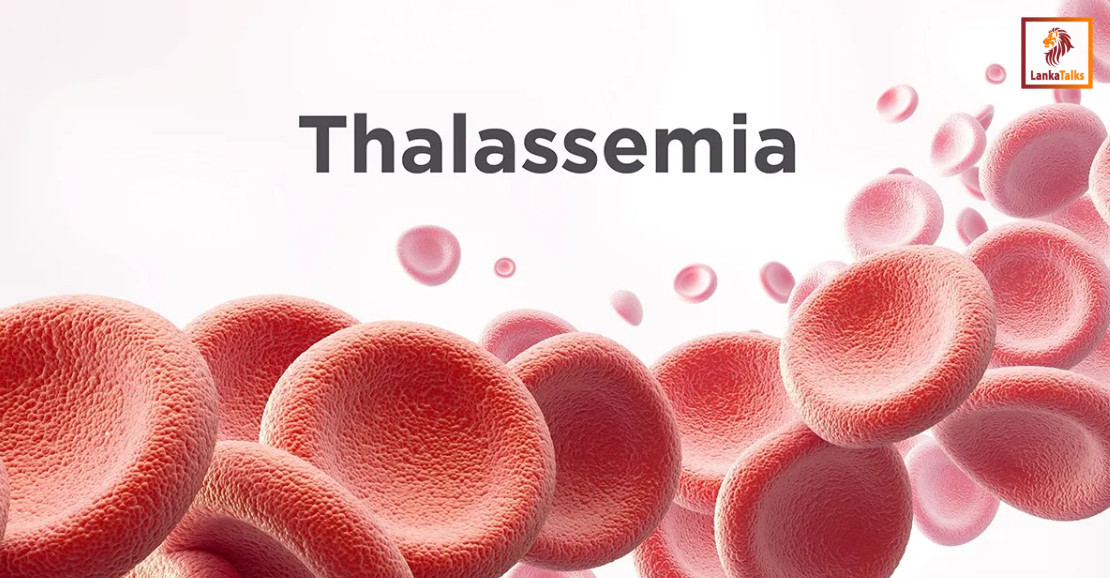
Sri Lanka has reported approximately 2,500 thalassemia patients, while between 45 and 60 children are born annually with major thalassemia, health officials revealed.
The information was disclosed during a media briefing held in conjunction with the International Thalassemia Day, observed on 8 May.
Director of the Non-Communicable Diseases Unit at the Health Ministry, Dr Sriyani Alahapperuma stated that although the current number of patients may appear comparatively low, there is a growing risk of the disease increasing steadily in the future. He emphasised that preventing marriages between thalassemia carriers and promoting pre-marital screening are among the most effective strategies to control the spread of the hereditary blood disorder.
Special screening programmes are currently being conducted in several high-risk areas, including Kurunegala, Anuradhapura, Ragama, Batticaloa and Badulla (in communities where marriages within the same village are a common feature), while school-based awareness and testing initiatives are also underway. Health authorities noted that screening can be carried out easily through Government hospitals and that a standard Full Blood Count (FBC) test can help identify suspected carriers.
Meanwhile, Consultant Paediatrician at the Lady Ridgeway Hospital for Children (LRH) and Senior Professor in Paediatrics at the Colombo University’s Medical Faculty, Dr Pujitha Wickramasinghe explained that thalassemia is a genetic blood disorder caused by defective genes inherited from both parents.
He said that affected children may begin showing symptoms within the first year of life (between eight months and one year of age), including reduced physical activity, delayed growth and becoming pale. Bone marrow transplantation remains the only curative treatment currently available, although it is limited to selected patients.
Consultant Haematologist at the Anuradhapura Thalassemia Unit, Dr Chathurma Piyarathna stated that thalassemia is a non-communicable hereditary condition affecting haemoglobin production in red blood cells. She warned that when two carriers have children, there is a significant risk of major thalassemia occurring in the offspring.
Prof Wickramasinghe appealed to the public to make thalassemia screening an important part of the traditional practice of checking porondam (horoscope) before marriage, citing Cyprus as a successful example of thalassemia prevention where marriage approval there requires certification confirming the thalassemia status of both the individuals.
Source: The morning