


 Breaking News
 Shalini
 Shalini
 Jun 01 2026
 83
83Huawei received the Global Mobile (GLOMO) LATAM award on May 13 for Social
Impact in Latin America for its Tech4Nature – Dzilam de Bravo Nature Reserve
project in Yucatan, Mexico. The GLOMO, which was awarded by GSMA at M360
LATAM 2026, recognizes the project’s contribution to environmental conservation
for using technology to protect jaguars in the reserve.
Under the Tech4Nature global partnership between International Union for
Conservation of Nature (IUCN) and Huawei, the Mexico project uses advanced
technological tools to monitor and preserve the natural habitat of the jaguar, an iconic
and endangered species in Yucatan.
“This recognition reflects the power of technology when it is put to the service of
people and the planet," said Samira Herrera, Communications and Public Relations
Director for Huawei Mexico. "Tech4Nature Mexico is an example of how cross-
sector collaboration can generate a tangible positive impact on communities and
biodiversity conservation."
The project, which began in 2022 and is currently in its second phase, is the result of
collaboration between IUCN, Huawei, the Government of the State of Yucatán, C
Minds, Yucatan Polytechnic University (UPY), and the local community of Dzilam
de Bravo. The solution integrates AI-powered species detection and individual
identification, community-led monitoring and governance, and cross-sector
collaboration across government, academia, civil society, and the private sector.
“Tech4Nature Mexico demonstrates that the true potential of technology lies in
transforming data into coordination, collective action, and public policies for the
protection of nature. Through multi-sectoral collaboration focused on communities
and human rights, the initiative puts tools such as artificial intelligence at the service
of the ecosystems that sustain our economies and our future,” said Regina Cervera,
Project Coordinator for Tech4Nature México from AI for Climate at C Minds.
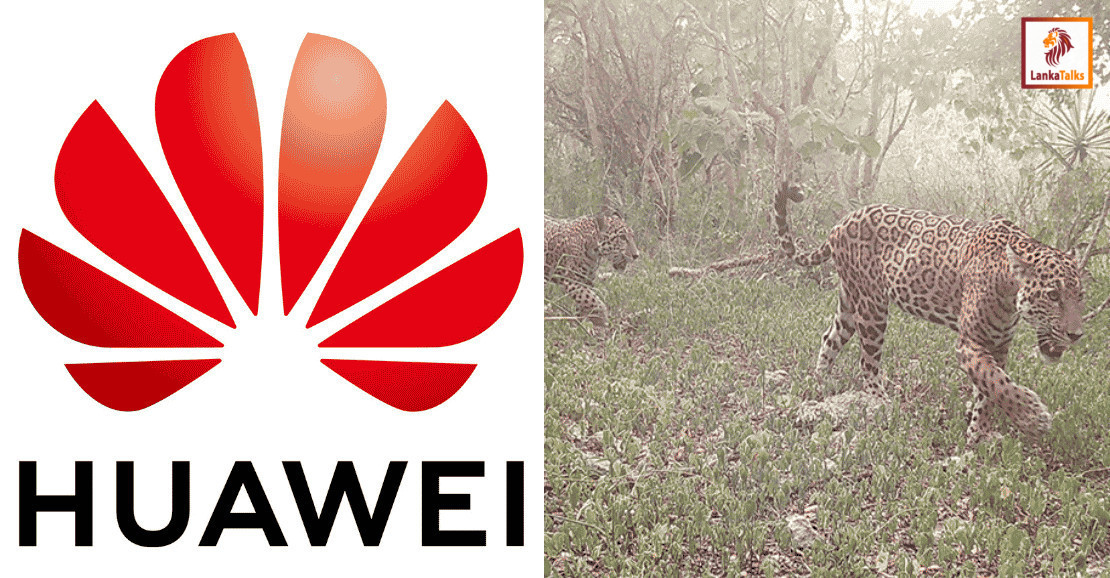
Since project launch, 26 camera traps and 60 acoustic devices deployed in the reserve
have identified more than 147 species, 40 of which are endangered. Crucially, the
system has identified 16 individual jaguars, providing key information for
understanding the behavior, movement, and conservation measures that can protect
the species, which is key to the environmental balance of the reserve.
Huawei’s cloud-based solutions are used to process and analyze field data. As well as
video footage of the jaguars, more than 100,000 images and 600,000 audio recordings
have been captured and automatically analyzed by the system, strengthening the
monitoring of local fauna and the ecosystems they inhabit. The resulting data-driven
insights enable a better understanding of the ecosystem and more efficient decision-
making for biodiversity conservation that reaches into public policy. Beyond the
ecological data, the landscape-level impacts are visible – the protected area has
expanded from 69,000 to 104,000 hectares.