

 Breaking News
 Sheron
 Sheron
 Mar 08 2026
 415
415- Substantial progress made
- Slight delays due to need to address clarifications
- All documents completed
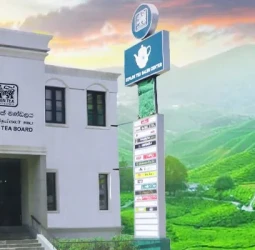
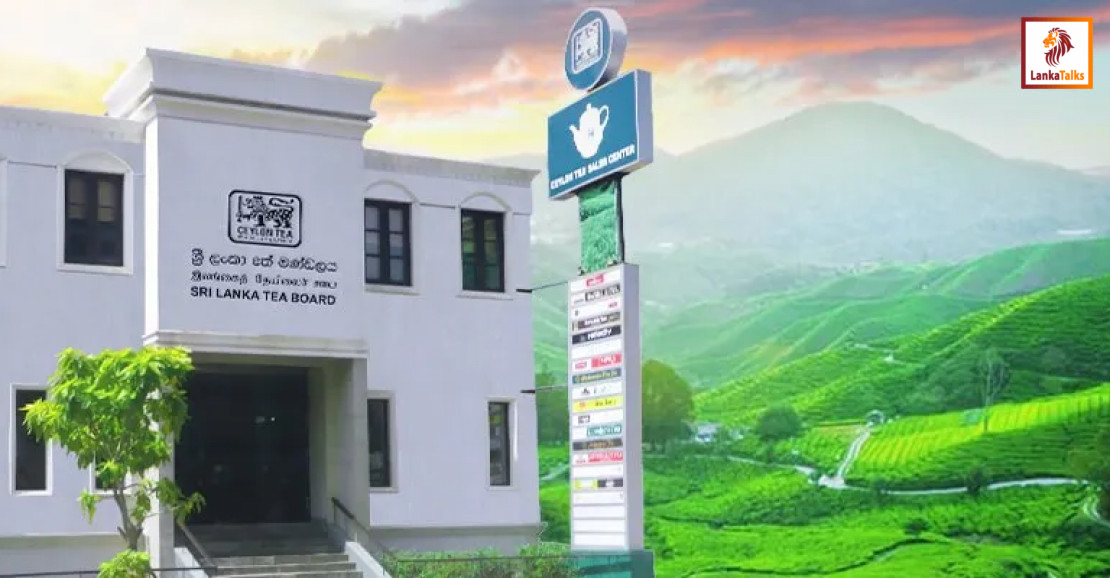
The Sri Lanka Tea Board (SLTB) has announced that the process of obtaining Geographical Indication (GI) certification for Ceylon Tea is nearing completion.
Speaking to The Sunday Morning Business, SLTB Chairman Rajpal Obeyesekere stated that the application submitted to secure GI status in the European Union (EU) had made substantial progress. However, the process has experienced slight delays due to the need to address clarifications requested by the relevant authorities.
“So far, the process is still ongoing. The approval hasn’t come yet. It was supposed to come in a month or two, but it is getting delayed,” he stated.
He further revealed that the European Commission had sought some further clarifications with regard to the flavours of Ceylon Tea and that the SLTB had answered these queries.
Obeyesekere added that Sri Lanka had completed all of its documents and that all that was remaining was to receive the decision of the European Commission.
He further revealed that the three-month objection period was expected to commence shortly.
If no objections are raised during that time, Sri Lanka will receive GI approval for Ceylon Tea shortly thereafter. However, if objections are submitted, Sri Lanka will be required to engage with the relevant parties and resolve any outstanding issues before approval can be granted.
Speaking to The Sunday Morning Business last year, Obeyesekere revealed that the SLTB had, on or around September 2024, submitted its application to obtain GI certification for Ceylon Tea with the assistance of the French Agricultural Research Centre for International Development (CIRAD).
The initiative by the SLTB to obtain GI certification for Ceylon Tea commenced with the tripartite agreement the board entered into with the French Development Agency (AFD) and CIRAD, worth € 1 million for the development of a GI for Ceylon Tea.
The agreement, signed in December 2021, provided a € 1 million grant valid for four years and involved the provision of technical assistance from CIRAD to establish GI and the relevant certification systems for Ceylon Tea.
GI certification serves to uphold and authenticate the quality, reputation, and characteristics of a product by linking it to a specific territory through intellectual property protection, while also giving it added value in national and international markets.
source: The Morning