



 Breaking News
 A.R.B.J Rajapaksha
 A.R.B.J Rajapaksha
 Mar 20 2026
 684
684- CAA cautions against price controls
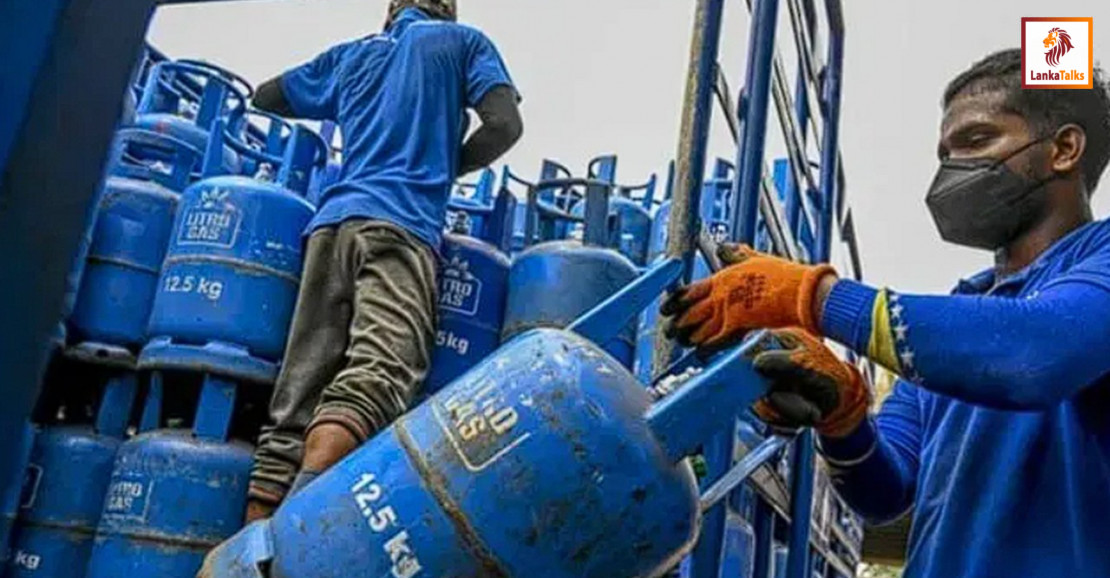
Restaurants and eateries are urging the Government to allow local businesses to open letters of credit (LCs) to import liquefied petroleum gas (LPG), warning that worsening shortages are already disrupting operations and could severely impact both households and the food industry.
The call was made by All Ceylon Restaurant and Eatery Owners Association President Harshana Rukshan, who said there is a critical shortage of both Litro and Laugfs gas in the market, with Laugfs supplies particularly scarce. Speaking to The Daily Morning yesterday (19), he stressed that opening up LPG imports to private players was the most practical solution at present.
“There should be an opportunity for others to import LPG to fill this gap,” he said, cautioning that the shortage would have serious consequences not only for homes but also for the large number of eateries dependent on gas for daily operations.
Rukshan also pointed out that the ongoing fuel crisis, driven by unrest in the Middle East, is already pushing up transport costs, which in turn is increasing the prices of essential food items. “Even though most vegetables are locally grown, transport costs have gone up, leading to higher prices. This affects the supply of meat, fish and eggs as well,” he said.
He urged authorities to take steps to address rising energy costs and their knock-on impact on consumer goods, noting that both households and the hospitality sector are under increasing strain.
Meanwhile, the Consumer Affairs Authority (CAA) cautioned against introducing price controls at this stage, warning that such measures could worsen shortages and trigger black market activity.
CAA Chairperson Hemantha Samarakoon said that unless there is a clear need identified by the Government, the Authority does not support price regulation under current conditions. “Introducing price controls now would only lead to further shortages of consumer goods. It could mirror the situation with Keeri samba rice, where price caps resulted in supply disruptions,” he said.
He warned that price regulations could drive goods into the black market and further destabilise supply chains, adding that the present situation requires careful management rather than intervention that could aggravate the crisis.
Source - The Morning