


 Breaking News
 Krishani
 Krishani
 Nov 26 2026
 14
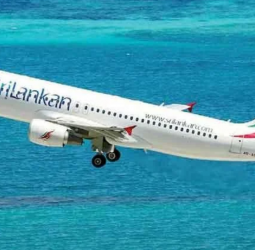
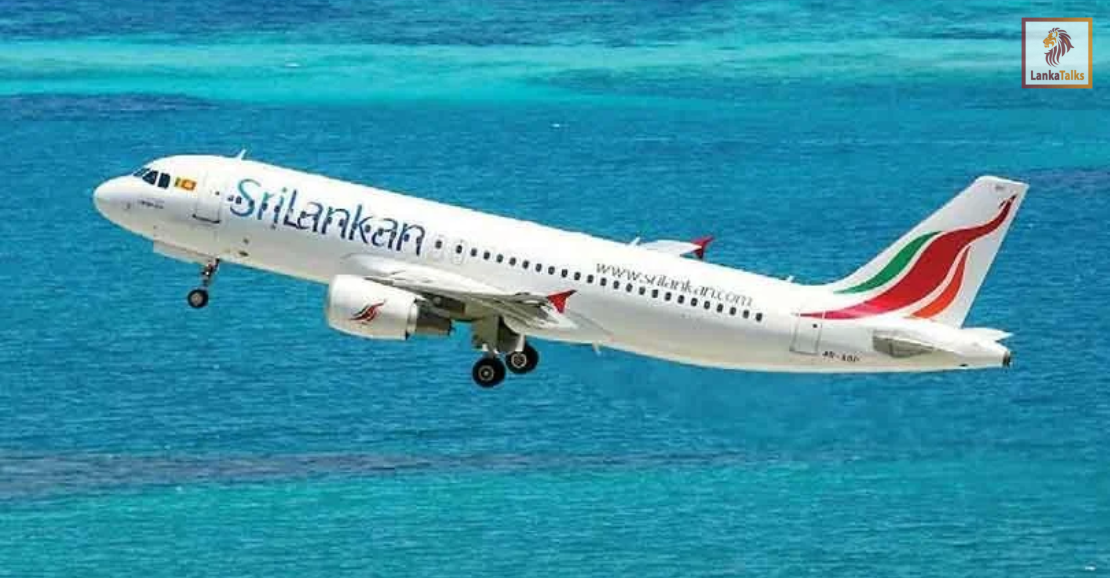
SriLankan Airlines is losing its grip on two of its most important long-haul markets, with its share of tourists from Australia and the United Kingdom falling sharply in October, as the new direct competitors Jetstar and British Airways moved onto the routes the national carrier once flew nonstop on its own, as per the Sri Lanka Tourism Development Authority (SLTDA) data.
SriLankan’s share of Australian tourists dropped to 38.44 percent in October, from 51.25 percent a year earlier or roughly 3,270 passengers against 4,050, a 19 percent decline that came even as the Australian arrivals grew 7.7 percent to 8,509.
Jetstar, which launched thrice-weekly Melbourne-Colombo flights, with Boeing 787s on 25 August, carried 19.03 percent of the Australian arrivals or around 1,620 tourists and appeared as a named carrier in the SLTDA’s airline breakdown for the first time.
Jetstar’s footprint was, however, already visible a month earlier, when 18.78 percent of Australian tourists were recorded under “other” airlines, against just 1.78 percent in October 2025.
SriLankan had pushed back a planned increase in its Melbourne frequency from seven to 10 weekly flights from August 02 to November 15, allowing Jetstar to enter the route without a capacity response from the incumbent. The national carrier has since lifted its Australia services to 14 weekly flights.
In the UK, Sri Lanka’s
second-largest market, SriLankan’s share slipped to 38.87 percent, from 42.55
percent, equal to about 4,820 passengers against 5,500. That 12.4 percent fall
was three times steeper than the 4.1 percent dip in the UK arrivals to 12,402.
The slide came with British Airways in operation for only eight days of the
month. Its inaugural flight left London Gatwick on October 23 and touched down
in Colombo the following day and with departures on Mondays, Wednesdays and
Fridays, the carrier landed just four flights on the island in October.
The thrice-weekly service operates only during the winter season and flies from Gatwick, while SriLankan serves Heathrow.
Although the SLTDA does not yet list British Airways by name, the share of the UK tourists on carriers outside its named list jumped to 9.88 percent or roughly 1,225 passengers, from 1.93 percent a year earlier. The full impact of a complete month of operations is likely to surface in November’s data.
SriLankan’s share of French tourists also fell to 14.82 percent, from 17.57 percent, as Qatar Airways and Turkish Airlines gained ground.
However, the national carrier strengthened its hold on Bangladesh, lifting its share to 46.20 percent, from 32.84 percent and edged up in Germany, the United States and China.
The low-cost long-haul carrier French Bee will add to the pressure in France when it launches flights from Paris Orly on December 19, challenging SriLankan, currently the only nonstop operator between Paris and Colombo.
French Bee will initially operate two weekly triangular rotations, flying Paris-Malé-Colombo-Paris, before adding dedicated direct Paris-Colombo services later in the season. As it lacks fifth freedom rights, the airline cannot sell the Malé-Colombo leg on its own, so the travellers must pair it with a Paris sector. The seasonal schedule runs until May 2 on Airbus A350-900s carrying 411 seats each, with introductory return fares to Colombo starting at €599.
India, the island’s largest market, kept SriLankan’s overall numbers afloat. The airline flew 48,356 tourists in October, a 28.68 percent share, up from about 27 percent a year earlier but below September’s 31.15 percent. The arrivals from India surged 29.3 percent to 62,211, lifting SriLankan’s Indian tally by about 28 percent to an estimated 23,020.
Yet, IndiGo captured the bigger slice of that growth, flying about 6,560 more Indian tourists than a year earlier or 46.5 percent of the 14,098 additional arrivals, compared with 35.4 percent for SriLankan. Air India’s share shrank to 11.40 percent, from 13.76 percent.
IndiGo, which resumed daily Delhi and Bengaluru services on October 1, lifted its overall share of arrivals to 17.66 percent, from 15.05 percent in September.
With a fleet of 23 aircraft, the national carrier has already requested two more A330 wide-bodies, SriLankan Airlines Acting CEO Vipul Misra said in October, adding that the fleet is due for replacement around 2031-32, as its aircraft types are no longer manufactured.
Misra has also flagged Perth, China and a revived Africa route, all of which would require aircraft sourced from outside.
As per the Finance Ministry figures, the airline posted a net loss of Rs.8.9 billion in the five months to August, despite a 35 percent rise in revenue to Rs.154.6 billion, weighed down by a 78.2 percent surge in aircraft fuel costs and Rs.11.9 billion in foreign exchange losses.
The government has extended US $ 30 million, about Rs.10 billion, in short-term support, following a Rs.25.2 billion capital infusion in December 2025.
Deputy Aviation Minister Ruwan Kodithuwakku told Parliament last week that the carrier could break even or post a small profit by end-2026, stressing an island nation’s dependence on air connectivity.
Misra conceded in October that rivals follow once the national carrier builds a market.
“Competition will always come after us once we develop the route,” he said.