


 Breaking News
 Tracy
 Tracy
 Nov 23 2026
 19
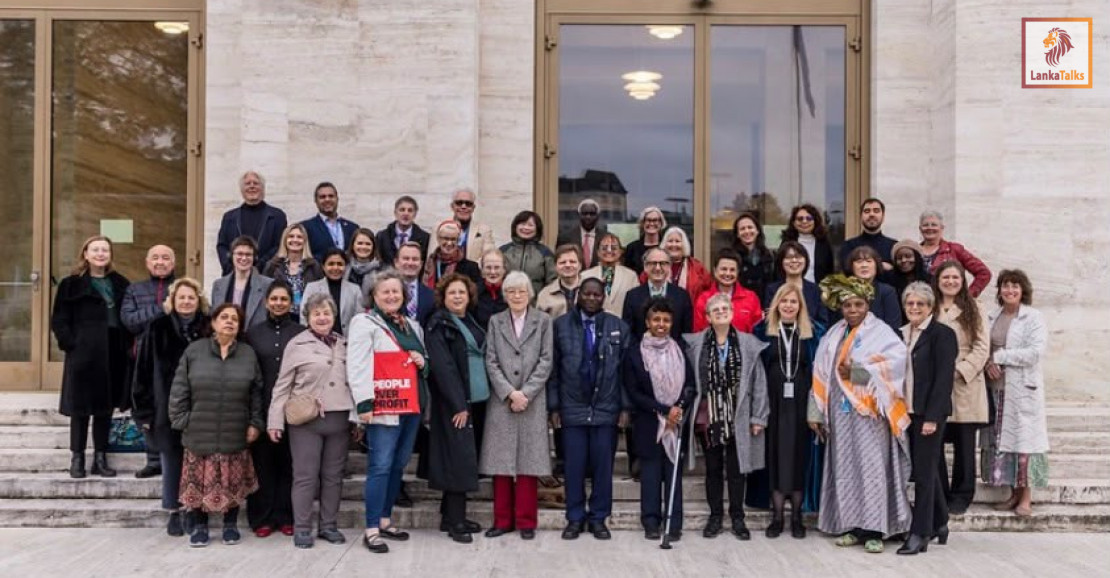
The Kayden Cares Framework (KCF) was honoured to be invited to participate in the United Nations Intergovernmental Working Group on the Human Rights of Older Persons held recently in Geneva. A rights-based initiative founded in Sri Lanka by Soshana Wijeratne Austin, KCF was created to bridge the gap between national legislation and real-world care standards for vulnerable populations including older adults, persons with disabilities, neurodivergent individuals, and people living with chronic illnesses or mental health challenges. As such, KCF contributed to discussions that will help shape a new international legally binding instrument dedicated to protecting the rights of older persons.
KCF's participation was particularly significant because it formed part of a wider effort to encourage meaningful engagement from countries and organisations across the Global South. For too long, many nations have found themselves adapting policies and frameworks developed elsewhere, often without sufficient consideration of local realities, cultural contexts, family structures, and available resources.
"It is essential that the Global South helps shape these discussions from the beginning," said Wijeratne. "The challenges of ageing may be universal, but the solutions cannot be one-size-fits-all. If this new international instrument is to be truly effective, it must reflect the realities of countries like Sri Lanka and the lived experiences of the people it seeks to protect."
For KCF, the invitation reflects a growing recognition that developing international standards on ageing must be informed by the collective experiences of humanity, not solely the experiences of wealthier nations.
Sri Lanka finds itself at a critical moment in its own ageing journey. While people are living longer than ever before, our legal, health, and social care systems have not evolved at the same pace. "Sri Lanka cannot afford to treat ageing as a future issue," said Wijeratne. "The demographic transition is already here. Families are already struggling to navigate increasingly complex care needs, often without sufficient support, safeguards, or guidance. The conversations taking place in Geneva are not about the future. They are about challenges we are experiencing today."
At the heart of the discussions is a simple but powerful principle: human rights do not expire with age. "We enter this world dependent on the care of others, and many of us will once again need support as we grow older” emphasised Wijeratne “Yet while vulnerability in childhood is embraced and protected, vulnerability in older age is too often misunderstood, feared, or hidden away."
The emerging international framework challenges the longstanding perception of older persons as burdens on society. Instead, it recognises them as rights-holders, contributors, mentors, caregivers, knowledge-bearers, and active members of their communities.
The work currently underway seeks to answer a question that every society must confront: What are our rights when our need for support increases? For KCF, this aligns directly with its mission to bridge the gap between legislation, policy, and everyday care practice. "Retirement is not a retirement from care, belonging, participation, or citizenship," Wijeratne said. "Every person has the right to receive support that respects their dignity, preserves their autonomy, and enables them to remain connected to family, community, and purpose."
As Sri Lanka continues to age, KCF believes there is an urgent need to establish rights-based standards for care, strengthen safeguarding protections, improve workforce training, and create systems that recognise both the vulnerabilities and the contributions of older persons. "The true measure of a society is not how it treats people when they are strongest and most independent," Wijeratne added. "It is how it responds when support is needed”.
KCF's participation in Geneva reflects a commitment to ensuring that Sri Lanka is part of the global conversation shaping the future of ageing and human rights. More importantly, it reflects a commitment to ensuring that older persons are recognised not as passive recipients of care, but as citizens whose rights, voices, dignity, and contributions continue throughout the life course.