


 Breaking News
 Sheron
 Sheron
 Mar 26 2026
 762
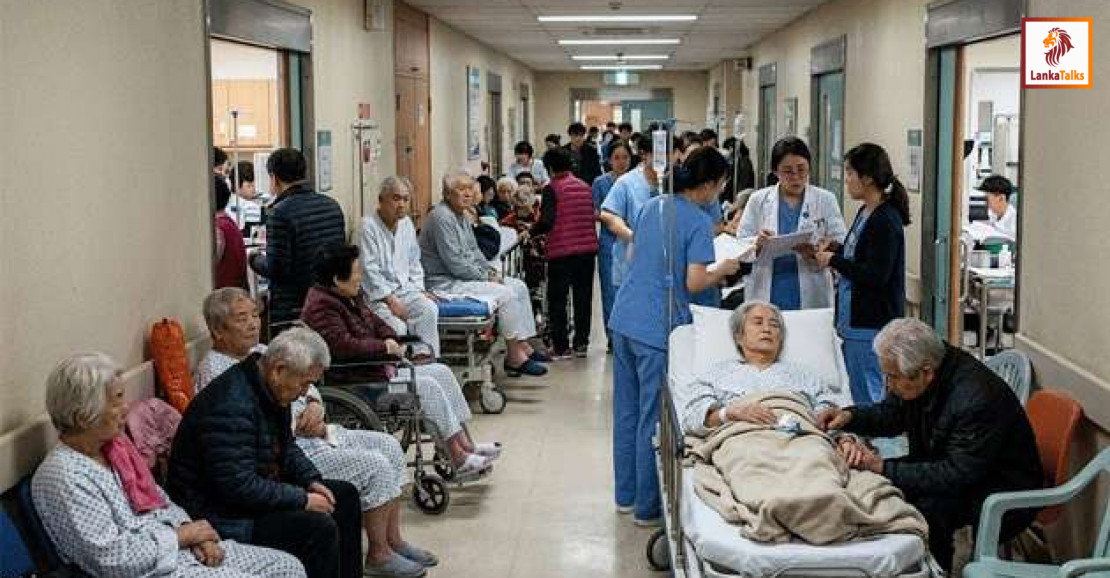
762Sri Lanka’s hospital system currently has nearly 85,000 beds, but the capacity may not be sufficient to meet future health demands, the Doctors’ Trade Union Alliance for Medical and Civil Rights warned, raising concerns over the growing elderly population and rising number of patients requiring specialised treatment.
Chairman of the alliance, Dr. Chamal Sanjeewa, said around half of the hospital beds are in institutions managed by the central government, while the rest are in hospitals under provincial health authorities. He noted that the number of beds may not increase in line with the country’s future healthcare needs, which could create serious challenges.
According to available data, Sri Lanka’s population aged over 60 years had reached about 18 percent in 2024, compared to 12 percent in 2012, and is projected to rise to nearly 25 percent by 2040. The total population of the country was recorded at 21,763,170 in 2024, an increase of more than 1.4 million compared to 2012.
Dr. Sanjeewa said the growing number of patients awaiting treatment is already placing pressure on the health system, with nearly 10,000 patients waiting for heart surgery, another 10,000 requiring kidney-related surgery and dialysis, and about 40,000 cancer patients needing treatment. He stressed that bed capacity should be increased in national hospitals, teaching hospitals and major base hospitals to meet the demand.
He further pointed out that the country currently has only about 1,000 intensive care unit (ICU) beds, making it difficult for many critically ill patients to receive timely treatment. As a result, some patients’ conditions worsen or become fatal due to lack of access to ICU facilities.
Dr. Sanjeewa also alleged that the Ministry of Health has not carried out a proper study to assess future bed requirements despite the increasing pressure on the hospital system.
source: Daily Mirror