


 Breaking News
 Tracy
Tracy Tracy
Tracy Mar 27 2026
 763
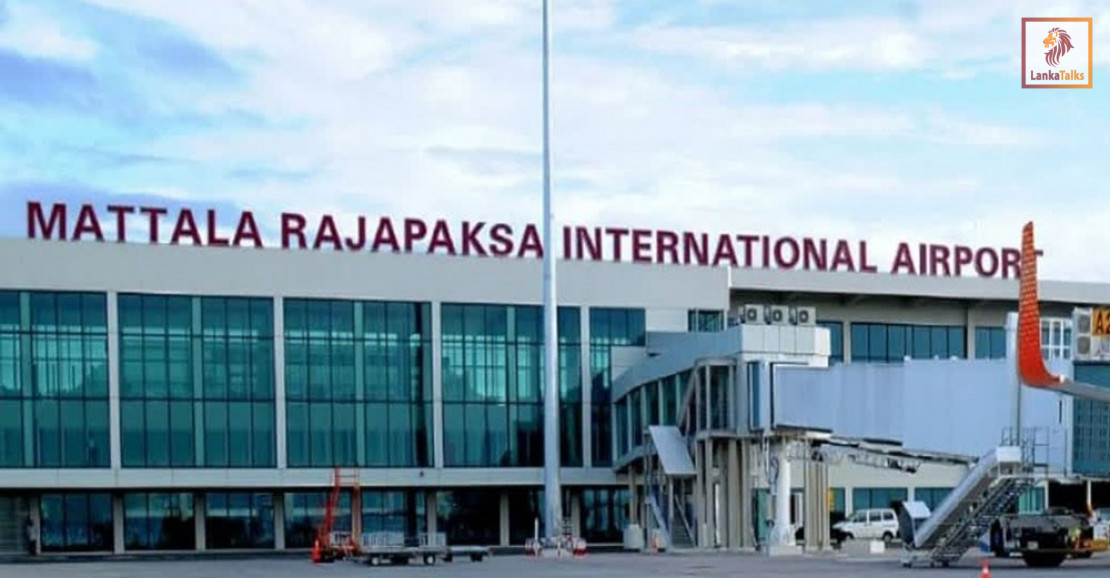
763Top Gulf airlines have not responded to Sri Lanka’s call to use the island nation’s Mattala Rajapaksa International Airport (MRIA), Deputy Civil Aviation Minister said.
Janitha Ruwan Kodithuwakku said the state-run Civil Aviation Authority (CAA) has informed Gulf airlines to use the airport.
“We have informed them to use the airport, but so far, no one has expressed any willingness to do so,” Deputy Minister Kodithuwakku told EconomyNext.
“We have informed all airlines to use this airport as needed, taking into account the difficulties they are currently facing. However, there has been no feedback or interest from their side.”
“This is because there is no capacity here to shift their [entire] operation. These are large airlines, aren’t they? So it is impossible for them to easily shift to Mattala. Mattala is, after all, an airport with a passenger capacity of about 1 million.”
He said the CAA has informed all airlines that Sri Lanka is ready to provide landing and parking free of charge if they require refuelling and transit.
“Yet, there has been no response to the invitations we sent; they have only expressed appreciation, and that is all.
He also rubbished media reports over Gulf representative team coming for discussions.
The Mattala Rajapaksa International Airport (MRIA), famously dubbed “the world’s emptiest international airport,” continues to be a significant financial burden on Sri Lanka, accumulating over Rs. 39 billion in net losses over the last six years.
Built at a cost of US$209 million primarily through high-interest Chinese loans, the facility was designed to handle one million passengers annually but has recorded only a fraction of that, with expenditure often outstripping revenue by nearly 15 times.
The airport incurs a massive operational loss annually, driven by massive overheads and an annual interest cost of Rs. 2.05 billion on foreign debt.
Its failure to become a profitable hub is attributed to its remote location in Hambantota, far from the commercial center of Colombo, and a lack of consistent scheduled flights.
The financial bleeding persists despite several attempts to revitalize the airport through public-private partnerships (PPP).