


 Breaking News
 Sheron
 Sheron
 Mar 07 2026
 964
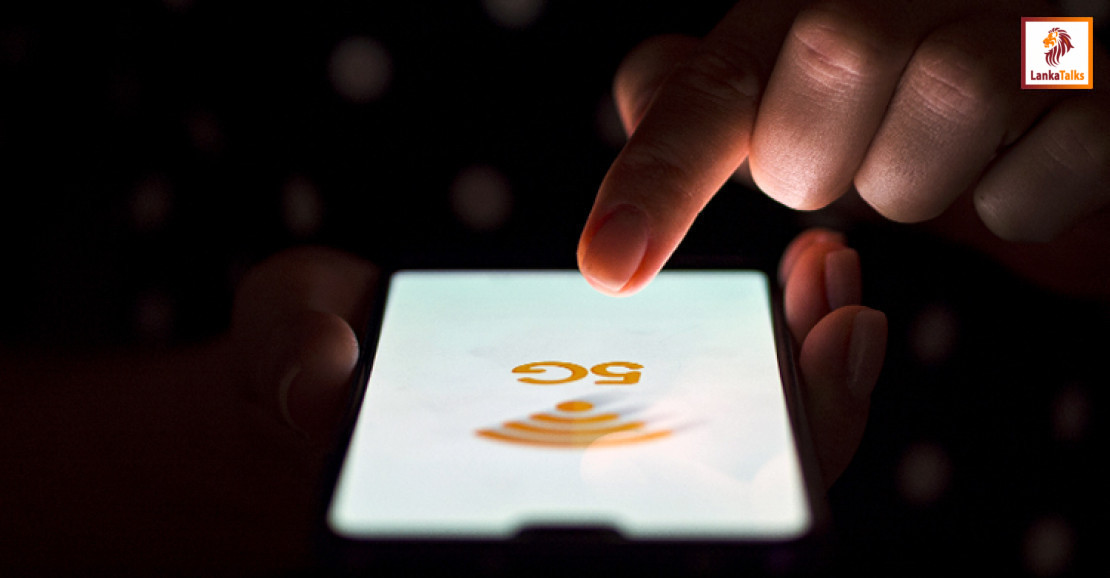
964When Dialog Axiata PLC unveiled a new 5G expansion partnership with Ericsson, the announcement sounded like another milestone in Sri Lanka’s digital journey. Yet behind the promise of faster internet lies a more complex question: who really benefits from the island’s 5G race?
The agreement, revealed at Mobile World Congress 2026 in Barcelona, will see Ericsson deploy advanced radio networks, artificial-intelligence-driven automation, and cloud-native infrastructure across Dialog’s network.
The telecom giant already claims leadership in Sri Lanka’s 5G market, connecting more than 1.5 million users through the country’s largest next-generation network. With access to the valuable 3.5 GHz spectrum band, Dialog can deliver both wide coverage and ultra-high capacity a technical advantage that rivals currently lack.
But the scale of Sri Lanka’s telecom market suggests a different perspective. With over 30 million mobile connections nationwide and data consumption rising sharply each year, 1.5 million 5G subscribers still represent a relatively small fraction of the total user base.
In other words, the 5G revolution remains largely aspirational for many consumers.
The new network rollout will introduce technologies such as Massive MIMO antennas and real-time AI network management. These systems promise faster speeds and more efficient data traffic handling, enabling advanced services ranging from high-definition video streaming to industrial automation.
However telecom analysts argue that the biggest economic benefits may emerge outside traditional smartphone use. Businessesrather than individual consumers are likely to be the primary beneficiaries.
Industries such as manufacturing, logistics, healthcare, and financial services increasingly rely on ultra-low latency connectivity. With the new Ericsson infrastructure, enterprises could deploy smart factories, remote medical monitoring, and Internet-of-Things networks that require constant high-speed data exchange.
For ordinary mobile users, the immediate gains might be less dramatic. Many consumers still face high smartphone costs and limited access to compatible devices capable of fully utilising 5G speeds.
Another challenge lies in infrastructure economics. Building nationwide 5G networks is expensive, requiring dense radio installations, fibre connectivity, and continuous software upgrades. Telecom operators typically recover these investments through higher data consumption or new digital services.
That reality raises concerns about future pricing structures. If 5G services remain premium offerings, the digital divide between urban and rural users could widen.
Still, the partnership reflects a long-term bet on Sri Lanka’s digital future. According to industry projections, mobile data traffic in the country could triple within the next five years as video streaming, cloud services, and AI-powered applications become more common.
By strengthening its infrastructure early, Dialog appears to be positioning itself at the centre of that transformation.
Whether the strategy ultimately empowers everyday smartphone users or primarily fuels corporate innovation will depend on how quickly 5G devices become affordable and how widely the new network reaches beyond the country’s urban hubs.
source: Lankanewsweb