


 Breaking News
 Krishani
 Krishani
 Oct 15 2026
 36
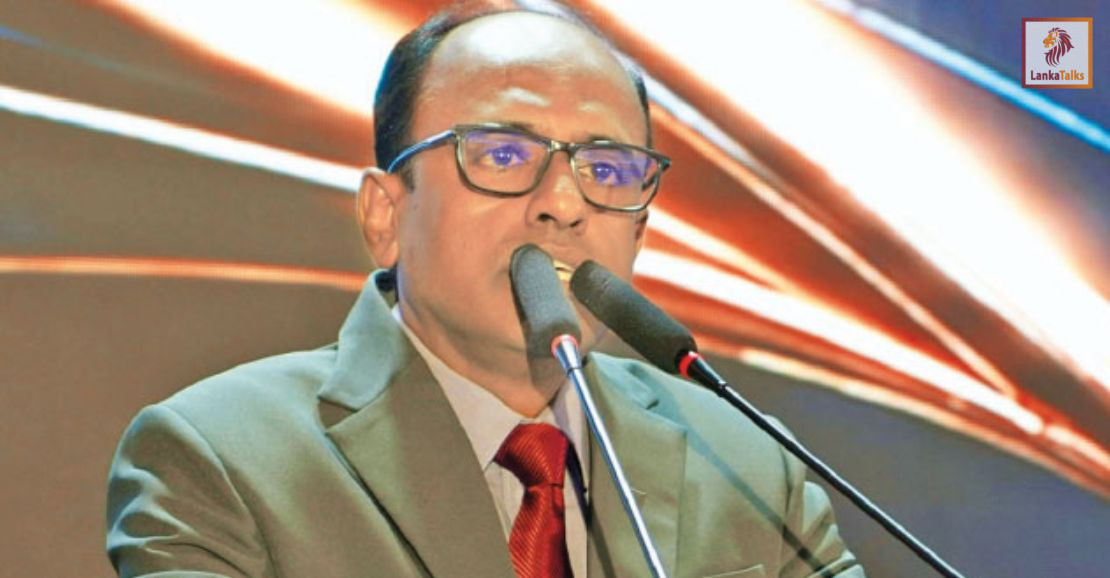
36Sri Lanka needs to accelerate the development of grid-connected battery energy storage systems to overcome electricity grid limitations and achieve its renewable energy targets, Director General of the Sri Lanka Sustainable Energy Authority Rohana Rambodage said.
Speaking at an event in Colombo on Tuesday (13), Rambodage said battery energy storage systems could provide a short-term solution to the limitations of the national electricity grid, which pose a major challenge to expanding renewable energy generation.
Sri Lanka aims to generate 70% of its electricity from renewable energy sources by 2030 and achieve net-zero emissions by 2050. However, achieving these targets requires solutions to manage the intermittent nature of renewable energy generation and ensure a reliable electricity supply. While upgrading the national grid infrastructure remains necessary, such improvements would take considerable time. Grid-connected battery storage offers a faster way to address some of these challenges, he said.
Rambodage highlighted the country’s significant renewable energy potential, including hydropower, solar, wind and biomass, noting that solar energy offers considerable opportunities due to the availability of sunlight throughout the year. However, solar power generation is concentrated during daylight hours, while electricity demand continues into the night, including during peak-demand periods. Battery storage systems can store excess electricity generated during the day and release it at night, helping to balance supply and demand
Rambodage said battery energy storage could also improve grid stability, reduce dependence on imported fossil fuels and lower greenhouse gas emissions. The technology could create employment opportunities and support the development of domestic solar equipment-related industries. He stressed that product quality and safety must remain key considerations as battery storage technology continues to evolve. Proper attention should be given to electrical isolation, surge protection and voltage variations when adopting these systems.
He described battery energy storage as an important step towards strengthening Sri Lanka’s energy security and transition to sustainable energy, expressing hope that the initiative would encourage developers, businesses and households to adopt the technology