

 Breaking News
 Natasha
 Natasha
 May 08 2026
 285
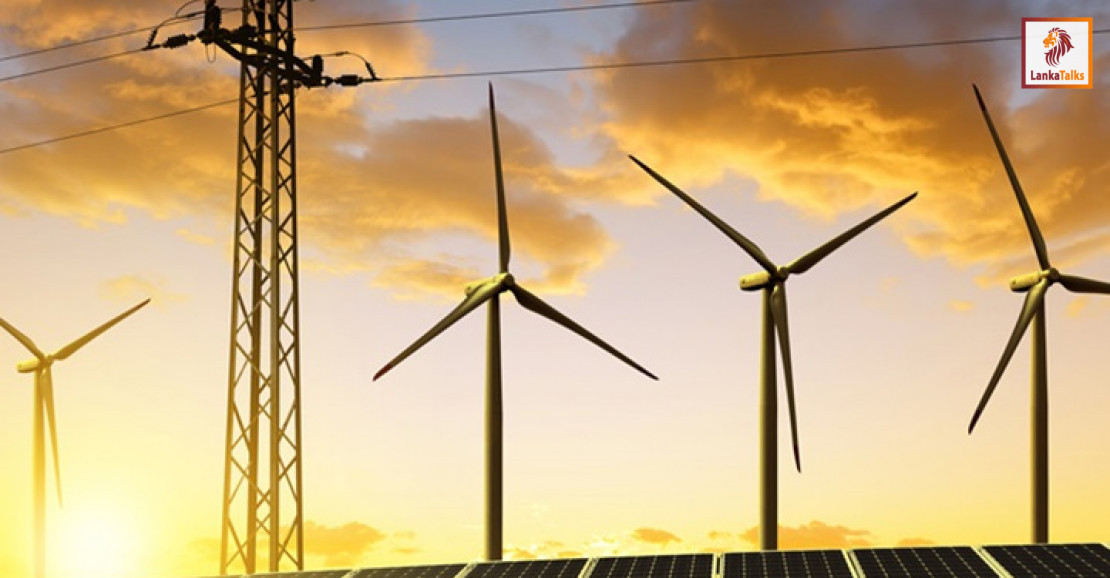
285The Federation of Renewable Energy Developers (FRED) have warned that Sri Lanka’s domestic renewable energy industry is on the brink of a natural death due to a halt in payments by the state-owned National System Operator (NSO) since December 2025.
Total unpaid dues to small and medium scale renewable energy developers have ballooned to 10 billion rupees as of April, with roughly 2.5 billion rupees due each month.
The crisis impacts 389 plants — ground mounted solar, wind, mini hydro, and dendro and other — with a combined capacity of 1,073.9 MW. This excludes rooftop solar.
Industry officials claim the liquidity drain is driven by the government’s decision to prioritize payments for expensive fossil fuels.
The shortfall in coal power came amidst the government procuring substandard coal which has forced the government to rely on diesel to bridge a daily supply gap of 100MW to 150MW.
As geopolitical tensions in the oil producing West Asia region continue, the cost of thermal power has skyrocketed, exceeding 100 rupees per kWh, FRED said.
Developers argue it is “fundamentally unfair” that conventional generators receive preferential treatment while the cheapest energy sources are ignored.
Operational Paralysis
Beyond non-payment, developers face “scheduled curtailment,” where the NSO shuts down renewable plants during weekends and holidays without compensation.
This has left nearly 400 companies unable to service bank loans or pay staff.
FRED President Manjula Perera highlighted the irony of the situation, noting that renewable energy often caters to over 70% of daytime industrial and domestic demand.
“We keep government away from exposing to the forex risk by supplying major component of the energy… but what steps they have taken to protect us is a big question,” Perera said.
“If we are not paid, how do we expect the proposed implementation will go through?”
Call for Intervention
The federation is calling for an immediate 10 billion rupee grant from the Treasury to settle outstanding debts and a Cabinet directive to authorize emergency financial solutions.