

 Breaking News
 LankaTalks
 LankaTalks
 May 07 2026
 321
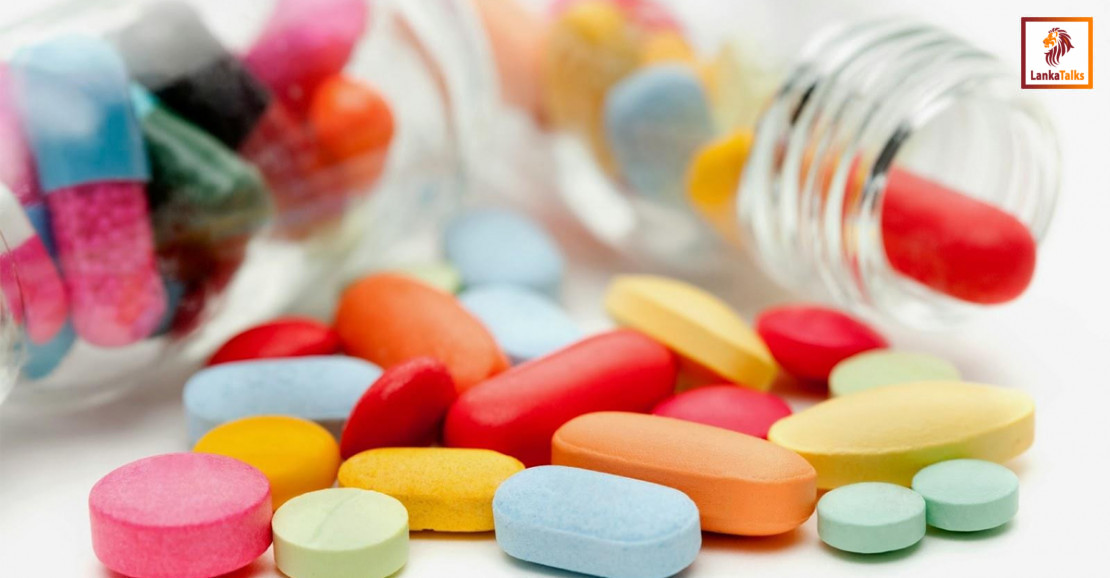
321Sri Lanka may face a shortage of medicines as the pharmaceutical industry is facing a challenge due to the regulator failing to allow price revisions despite the rupee fall and amid restrictive price caps, industry stakeholders say.
The Sri Lanka rupee has tumbled with the Central Bank’s indicative exchange rate falling 5.6% in the last six months – from 302.6 per US dollar in October 2025 to 319.5 this week.
Sri Lanka is heavily dependent on medicines imports.
The island nation imported US$ 667 million worth drugs last year, accounting for approximately 85% of the total medicinal drug market.
The industry regulator, National Medical Regulatory Authority (NMRA), allowed the last price revision in July 2023, industry stakeholders say.
“Because there is a huge exchange increase, the industry is due for a price increase,” Shantha Bandara, President of the Sri Lanka Chamber of the Pharmaceutical Industry (SLCPI), told EconomyNext.
“All the other products have gone up except medicine which went down significantly. If that doesn’t happen, we are unable to place orders.”
Bandara said the last revision, a 16% price cut, was done in July 2023 for selected drugs.
The SLCPI and Sri Lanka Pharmaceutical Manufacturers’ Association (SLPMA) raised concerns over delay in upward price revision, noting that the “market-blind” controls make it impossible to sustain operations.
Nalin Kannangara, the president SLPMA stated that the cost of medicines has risen by up to 25% due to exchange rate depreciation and regional instability in the Middle East.
“Now, because of this Middle East crisis, there can be a shortage of finish pharma in the market,” Kannangara told EconomyNext.
“Imports now have a lot of challenges because of the freight issues, insurance and exchange risks associated.”
Though there is a price formula in place, the exchange rate is the main component of that, stakeholders say.
Repeated attempts to contact NMRA for comments failed, as it did not respond to calls or emails.
Health Minister Nalinda Jayatissa, however, acknowledged the pressure due to the rupee depreciation.
“There is a 5% [provision]. If there is a slight increase in the dollar, a price increase must be granted,” Jayatissa told EconomyNext.
He said the government may allow an increase in the “ceiling price” for drug importers and not the retail price.