


 Breaking News

 A.R.B.J Rajapaksha
 A.R.B.J Rajapaksha
 Apr 23 2026
 379
379- Wants import licence processing sans delays
The Chamber of the Pharmaceutical Industry (CPI) has called for urgent action to prevent a looming medicine shortage crisis in Sri Lanka, warning that growing pressure on the pharmaceutical supply chain could affect the country’s ability to ensure uninterrupted access to essential and life-saving medicines.
Issuing a statement, the Chamber cautioned that unless immediate and practical steps are taken, Sri Lanka could face increasing shortages across both private and public healthcare channels, placing patients, hospitals, pharmacies and the wider healthcare system under serious strain.
It stressed that this is no longer simply a challenge for the pharmaceutical sector but a national issue with direct implications for public health, the continuity of care and the country’s ability to respond to daily and emergency medical needs.
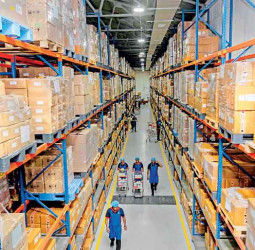
According to the CPI, a combination of rising global supply chain costs, exchange rate pressures, freight and fuel increases, import licence related delays and escalating compliance and clearance expenses is making it increasingly difficult to maintain the uninterrupted flow of medicines into the country. Sri Lanka remains heavily dependent on imported pharmaceuticals and imported raw materials, making it especially vulnerable to global volatility and domestic delays, it added.
The CPI also cautioned that prolonged pressure on the regulated pharmaceutical supply chain can create wider risks for the market and for public safety. The Chamber therefore emphasised that Sri Lanka must avoid reaching a point where the availability of safe, regulated medicines is compromised. The priority now must be to strengthen the systems that keep medicines moving, protect the integrity of the supply chain and ensure that patients across the country continue to have access to the treatments they need without interruption, the Chamber noted.
In this context, the CPI has urged the authorities to take immediate and practical measures to stabilise the medicine supply chain which include addressing delays in import licence processing, improving sequencing between import licence renewals and price reviews, and recognising the sharp escalation in operating, freight, exchange, and input related costs that are affecting the sustainability of supply.
Source - The Morning