


 Breaking News

 Afrin
Afrin Afrin
Afrin Jan 07 2026
 532
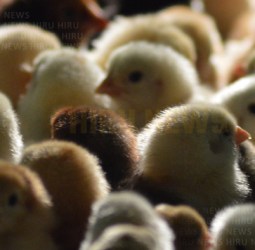
532Flooding in the North Western region, where poultry farming is largely concentrated, is likely to result in the loss of birds, destruction of feed stocks, and a collapse in poultry and day-old-chick (DOC) demand, as farmers would be unable to place new chicks, according to a research report by SC Securities on Ceylon Grain Elevators PLC (GRAN).
With around 62% of farmers reliant on bank loans or supplier credit, many may be unable to recover, leading to permanent exits from the industry. Similar flood-related disruptions could also trigger a sharp decline in DOC prices due to order cancellations and temporary oversupply, placing significant pressure on breeder margins.
The report estimates that flood impacts could lead to a 20 to 40% exit of affected farms, reducing poultry populations and DOC demand by 20 to 30%. However, capacity expansion and new entrants in unaffected regions, particularly in the Kalutara district, could partially offset these exits and help stabilise overall industry supply.
Large commercial producers are expected to experience paradoxical benefits during such crises due to their vertically integrated structures. With their own feed mills, hatcheries and commercial farms, these players can absorb short-term disruptions by shifting production internally and maintaining operations, while small-scale competitors exit the market.
Ownership of breeding farms and hatcheries allows integrated producers to reduce external DOC sales and redirect chicks to their own expanding commercial farms rather than selling to financially vulnerable customers. As small and medium-scale farmers exit and supply tightens, large producers benefit from premium pricing opportunities, consolidate market share without additional investment, and acquire distressed assets at depressed valuations.
“This consolidation mechanism effectively transforms a natural disaster into a competitive moat that protects large players while permanently eliminating marginal operators from the industry,” the report said, adding that discussions with industry participants further support the view that GRAN is likely to be a significant beneficiary of the current situation.
Source: HiruNews