


 Breaking News
 Sheron
 Sheron
 Apr 20 2026
 392
392Sri Lanka is a rapidly ageing country. By 2042, it is estimated that one in every four Sri Lankans will be over the age of 60. This is not a distant future—it is a situation that will arise in just 16 years. In such a context, it is no exaggeration to say that Sri Lanka is not prepared at all to face this demographic shift. From policy-making levels to ordinary household planning, no sector in Sri Lanka is adequately prepared for this challenge.
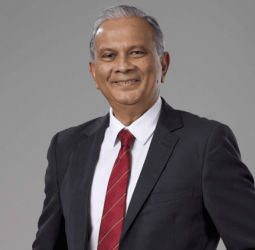
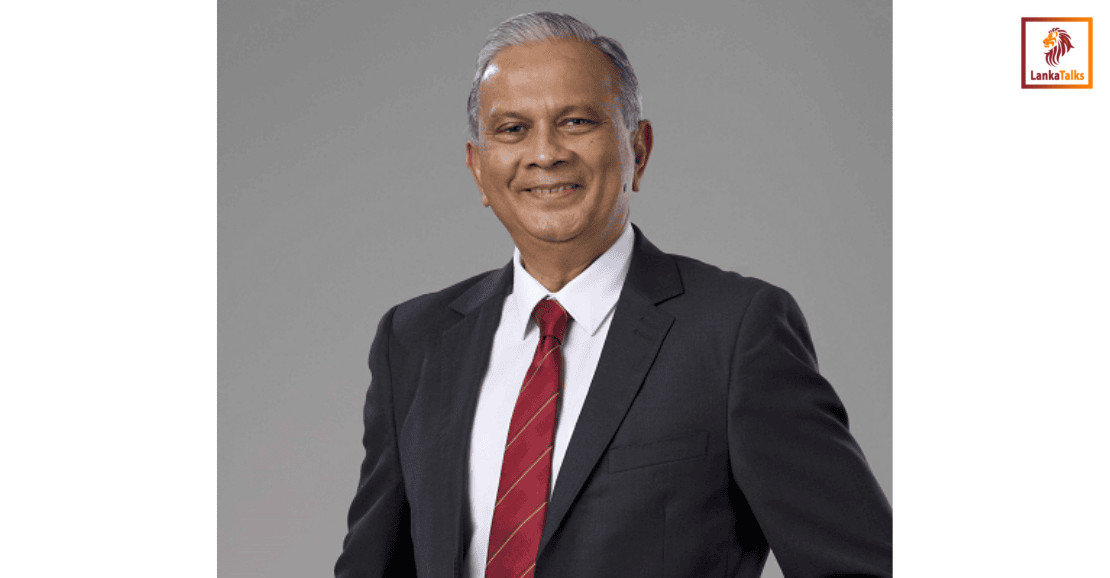
“The transformation of Sri Lanka’s population is no longer something that belongs to the future. It is already upon us. By 2042, when one in four citizens is elderly, we must start preparing now for the related economic and social realities,” says Thushara Ranasinghe, Managing Director and Chief Executive Officer of Ceylinco Life.
A notable characteristic of Sri Lanka’s workforce is that while people are good at short-term planning, they are generally weak in long-term planning. That is, although they plan for short-term needs such as education, housing, vehicles, and children’s education, only a few plan for their retirement and old age. As a result, the gap between a well-planned present and a poorly planned future is creating a serious financial challenge in Sri Lanka.
The True Nature of the Crisis
Currently, the average life expectancy in Sri Lanka is around 77–78 years. The official retirement age in the private sector is 60. Accordingly, a person retiring at the average age must have accumulated sufficient savings from now to support at least another 15 years or more of life.
For most private-sector employees, retirement income depends on the Employees’ Provident Fund (EPF). According to the EPF Annual Report 2024, a total of LKR 188 billion was paid out that year as retirement and death benefits to members and their legal heirs. Typically, after decades of service, these funds are received upon retirement or, in some cases, by heirs after death.
In addition, during 2024, approximately LKR 40–45 billion was withdrawn prematurely. That is, under provisions of the EPF Act, members can withdraw funds early for purposes such as housing or medical needs. Accordingly, the total value of benefits provided by the EPF in 2024 is close to LKR 230 billion.
As more members exit the EPF system, the balance available at retirement decreases. Over a retirement period of 15 years or more, the resulting monthly income will inevitably be quite low.
A major concern is that a large segment of retirees is not covered by the EPF at all. This includes the self-employed, those in informal sectors, digital service workers, and many small business owners. For them, retirement planning depends entirely on their own personal financial planning.
Even among EPF beneficiaries, there is limited understanding of the actual value of their benefits. Only a small number know their EPF balances, and even fewer understand the future value of those savings.
“This retirement challenge is not limited to low-income groups. A large portion of our workforce has no retirement plan at all. Even among those who do, most lack a realistic understanding of the future value of their plans,” Ranasinghe points out.
Meanwhile, the tradition of caring for elderly family members is rapidly declining. In earlier generations, children often took responsibility for ageing parents. However, due to urbanization, migration abroad, and the shift from extended families to nuclear families, this trend is diminishing. As a result, current and future retirees will not enjoy the same social safety nets that previous generations had.
Those Most at Risk
The risks of retirement are not confined to a single social group. While low-income families (with limited savings) are clearly vulnerable, professionals also face unique challenges. In particular, the middle-class professional community faces high living costs and significant financial commitments, raising questions about whether their retirement plans and savings are realistic.
Women in the workforce face their own specific risks. Due to family responsibilities, they may not maintain continuous careers, and their savings are often lower. Additionally, women tend to have a higher life expectancy than men.
Those who start planning for retirement late—around their mid-40s—also face higher risks, as they have less time to generate returns on their investments. People in their 40s also face the “sandwich generation” challenge: supporting both their children’s education and their parents’ retirement needs. As a result, their own retirement planning becomes a low priority. This group faces one of the most severe financial challenges in Sri Lanka, yet pays the least attention to retirement planning.
The Urgent Need for Action
Against this backdrop, Ceylinco Life has launched a year-long national awareness campaign called “Retirement Ready.” Throughout 2026, this initiative will use print, digital, audio-visual media, and podcasts in Sinhala, Tamil, and English to spread awareness among Sri Lankans.
“Over three decades, we have gained extensive experience working with Sri Lankan families during critical financial moments in their lives. Therefore, instead of waiting for people to come to us, we are taking this message to them, offering a practical and realistic approach to retirement planning,” Ranasinghe explains.
The campaign will cover insights gathered over three decades regarding savings, spending, and retirement planning, as well as the consequences of failing to plan for retirement. It will address various professional groups, women in the workforce, and especially those struggling to support both children and elderly parents, ensuring that all segments of society are included.
In Sri Lanka, retirement planning is typically discussed only in the later stages of one’s career. This delay naturally results in missed opportunities that are crucial for a successful retirement. Ceylinco Life believes this situation must change quickly. While Sri Lanka cannot avoid a retirement planning crisis, the best time to address it was 20 years ago. Instead of dwelling on past inaction, the time has come to act immediately.
“This is not a campaign about our products. Its purpose is to highlight the importance of making informed decisions. Every citizen, regardless of income or profession, should have the opportunity to understand what their retirement will truly look like and take action accordingly,” Ranasinghe concludes.