


 Breaking News
 A.R.B.J Rajapaksha
 A.R.B.J Rajapaksha
 Dec 29 2025
 925
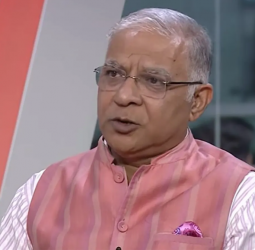
925By Dr. Dayan Rajapakse
Education has continually evolved with technology. From chalkboards to smartboards, from libraries to search engines, each innovation has changed how we access and share knowledge. But today, the challenge is no longer about access. It is about trust.
In a world where information travels faster than our humane abilities to verify them, the ability to read or write is no longer enough. Students — and indeed all of us — must now learn a new form of literacy: digital trust. This is the capacity to question, evaluate, and verify what we consume online, and to act responsibly when sharing.
From access to authenticity
Sri Lanka has made significant progress in the digital education sector. We have improved connectivity, expanded device ownership, and seen the rise of EdTech and online learning communities that reach learners from urban Colombo to rural Moneragala. Yet the next stage of transformation cannot be measured in megabytes or bandwidth. It must be measured with credibility.
Digital access without discernment risks creating a generational shift in our digital behaviour where we can find information but struggle to determine its accuracy. The rise of misinformation, deepfakes, and content manipulation makes this distinction essential. Alongside teaching students how to search, we must also teach them how to trust.
Initiatives like the TikTok STEM Feed, launched in collaboration with the Government of Sri Lanka a few months ago, offered a glimpse of what responsible digital learning ecosystems can look like. In fact, talking about TIkTok, the global movement of #LearnOnTikTok shows how widely young people now turn to short-form content to understand science, technology, and real-world concepts. This trend brings both opportunity and responsibility, a chance to make learning accessible, and a responsibility to ensure that what is learned is credible.
The role of an educator today is no longer just to transfer knowledge; it is also to foster critical thinking and promote learning. It is to teach discernment—to help students distinguish between fact and opinion, between evidence and echo, in a digital environment that's fast, constantly shifting, and always evolving.
At ESOFT Metro Campus, where we prepare students for technology-driven careers, this principle is at the heart of our approach. We train learners to think critically, question assumptions, and validate sources. Whether a student studies IT, business, or design, the ability to assess credibility has become as important as subject expertise itself.
This responsibility begins long before university. From early school years onward, children must be taught how to learn safely and effectively. They must understand why not every online “experiment” is genuine, how algorithms may influence their digital experience, and how a digital footprint can last longer than memory. When these lessons are embedded early, we cultivate informed citizens, not just skilled workers.
Trust by design, not by chance
Building digital trust is not just an individual responsibility. It is a design principle.
Technology platforms must be built with safety and transparency at their core. This includes curating credible content, moderating misinformation, and protecting younger audiences through the use of parental controls and age-appropriate design. Features like #LearnOnTikTok work best when supported by robust systems that prioritise accuracy and safety over virality.
The same logic applies to educational institutions. Schools and universities must embed digital ethics and media literacy as core competencies, not optional modules. Employers, too, must recognise these abilities. In the coming decade, the most valuable employees will not be those who know the most, but those who understand what is worth knowing.
Creating a culture of digital trust requires collaboration between educators, policymakers, and technology partners. When platforms, governments, and academic institutions collaborate, they establish shared accountability for safe and meaningful digital learning.
Sri Lanka has the potential to lead in this area. With a highly connected youth population and a strong tradition of educational excellence, we can build a national digital literacy framework that combines access, safety, and trust. Initiatives like the STEM Feed are helpful starting points, but the next step is integrating trust-building into curricula, policy, and cross-sector partnerships.
The educator’s role in the digital age
In today's age, we must teach young people how digital platforms work—to not fear them, but to understand their influence. When students know why and how a platform surfaces a piece of content, they are better equipped to make informed choices. In this sense, digital awareness becomes digital freedom.
The future of education will not be defined by who has the most devices, but by who can make the best decisions about the information they encounter. We must therefore redefine literacy to include critical thinking, ethical use, and digital trust.
The walls will not limit tomorrow's classroom. It will stretch across platforms, online communities, and collaborative digital spaces. To make that shared space safe and meaningful, trust must become our new curriculum.
Suppose we can teach our students to question before they click, to verify before they share, and to learn before they believe. In that case, we will have built not just digital citizens, but informed, responsible human beings ready to lead Sri Lanka into a more thoughtful digital future.
(The writer is the Chairman and Managing Director of ESOFT Metro Campus)