


 Breaking News
 Krishani
 Krishani
 Oct 23 2026
 35
Sri Lanka’s tourism promoters are placing the island’s centuries-old indigenous healing traditions at the heart of a renewed push into wellness travel, a segment viewed as a route to higher-spending, longer-staying visitors, at a time when international interest in the island’s retreats has doubled, a senior Sri Lanka Tourism Promotion Bureau (SLTPB) official said.
Addressing a welcome and appreciation dinner held at Waters Edge, Battaramulla on Sunday for delegates of Wellness in Wetlands 2026, SLTPB Director of New Product Development Chinthaka Liyanarachchi stressed that the country was building on a long-established foundation in the segment.
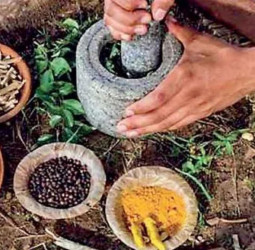
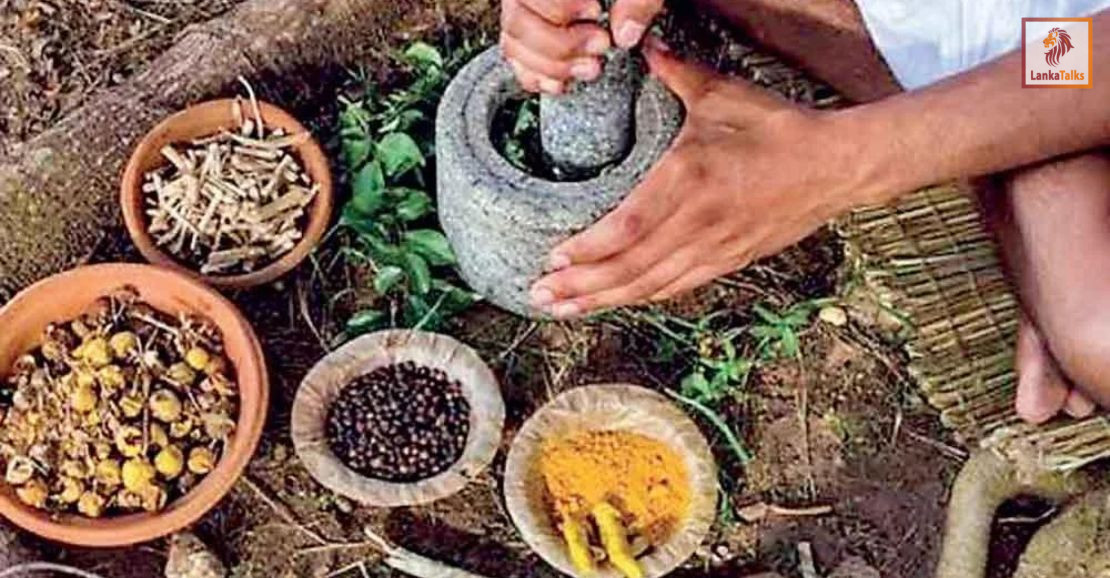
“Wellness is not a new product for us. Since ancient times, Sri Lanka has had its own indigenous system, not only to keep people’s bodies healthy but also for spirituality and mindfulness,” he told the gathering of local and international delegates.
Liyanarachchi pointed to the island’s selection by retreat booking platform BookRetreats.com as the world’s top trending wellness destination for 2026, describing the recognition as timely given Sri Lanka Tourism’s growing engagement in international wellness forums.
“Sri Lanka is well equipped to welcome many tourists who are seeking wellness and mindfulness,” he observed.
Carried in the platform’s State of Retreats 2026 report released in June, the ranking reflected a 100 percent year-on-year rise in traveller interest in Sri Lanka, placing the island ahead of Australia, Morocco, England and Spain. The report also put the starting cost of a three-to-four-day retreat on the island at around US$ 372. The Ministry of Tourism has since counted the accolade among more than 20 international endorsements the island received up to July.
Looking ahead, Liyanarachchi signalled that the Bureau intends to take its wellness proposition to more international platforms.
“Going forward, Sri Lanka Tourism is very much geared and focused, and we are strategically keen on collaborating and participating in international forums to showcase our wellness offerings,” he noted, terming the event a milestone in that effort.
From royal capital to urban wetlands
Wellness in Wetlands 2026, the second International Conference on Wetlands, Wisdom and Well-being, ran from 9 to 12 October in Sri Jayawardenepura Kotte and brought together around 100 national and international participants, according to the SLTPB.
Organised by Emotional Intelligence and Life Skills Training Team Ltd. in partnership with SriLankan Airlines, the SLTPB, the Professional Wetlands Guides Association and the Kotte Green Tourism Network, the event was slated to host 34 international experts from 15 countries.
These included environmental psychologists, ecologists, ecotourism specialists and indigenous knowledge holders. That marks a wider international reach than the inaugural 2025 edition, which drew over 100 onsite and online delegates from 11 countries and produced the Kingdom of Kotte Declaration on protecting wetlands for wellness.
Organisers said the choice of Kotte was meant to link the area’s historical heritage with its wetland ecosystems and to spotlight the tourism potential of marshlands in and around the capital. They positioned these wetlands as assets for biodiversity conservation as well as for wellbeing, sustainable tourism and community-based enterprise. Senior officials from the Ministry of Foreign Affairs, Foreign Employment and Tourism, the Sri Lanka Tourism Development Authority (SLTDA) and the SLTPB attended, which the Bureau said underscored the value of inter-institutional collaboration in positioning the country as a wellness destination.
Niche segment with long-stay economics
As per SLTDA data, 12,977 tourists declared health or Ayurveda as their main purpose of visit in 2025, about 0.55 percent of the record 2,362,521 arrivals. The figure captures only those naming wellness as their primary reason for travel, while a further 523,482 arrivals, or roughly 22 percent, did not state a purpose at all.
However, the segment stands out on length of stay. Health and Ayurveda visitors averaged 14.7 days in 2025, the longest of any purpose category. That is about 81 percent longer than the 8.1-day average across all arrivals and 69 percent above the 8.7 days spent by leisure travellers. The SLTDA links this to wellness programmes typically built around treatment cycles, detox routines and meditation retreats lasting one to three weeks.
German travellers account for almost half the segment, with 6,363 health and Ayurveda arrivals in 2025. That is 49 percent of the total and 4.3 percent of the market’s 147,966 visitors, while Japan was a distant second at 552.
Describing wellness as niche but carrying high-value potential, the SLTDA noted scope to upscale and standardise the segment to attract higher-spending, long-stay visitors, alongside targeted marketing of Ayurveda in German-speaking countries.
Shifts in the island’s visitor profile also work in the segment’s favour. Travellers aged 60 and above accounted for 17.5 percent of arrivals in 2025, or 413,236 visitors, up from 15 percent in 2018, making them the fastest-growing age cohort. The SLTDA attributed this rise partly to the appeal of the island’s wellness and Ayurvedic retreats.
Wellness written into the promotional script
Meanwhile, wellness features prominently in the Bureau’s current promotional drive. The Rs.1.5 billion interim digital and public relations campaign runs from August 2026 to April 2027 across six high-yielding source markets. It presents the island through seven experiences, with wellness alongside leisure, culture, nature, adventure, luxury and MICE. According to Deputy Tourism Minister Prof. Ruwan Ranasinghe, the aim is to draw high-spending travellers into high-performing segments such as diving and wellness, with a larger Rs.5 billion global branding campaign planned to follow.
Earlier this year, the SLTPB organised a Luxury Wellness Tourism Programme with an Indian creative team, one of several product-focused initiatives highlighted by Sri Lanka Tourism in July.
The Bureau’s wellness-specific promotions abroad include a 2024 digital campaign backed by the European Union and aimed at the German and French markets. That campaign lined up 30 influencers to tour the island and launched a multilingual microsite showcasing Ayurveda, yoga, meditation, Panchakarma and Hela Wedakama. In July 2025, the Bureau partnered with the Sri Lankan Embassy in Berlin on the first promotion in Germany targeting senior citizens, built around wellness and healthy ageing. Further showcases included a Sri Lankan Ayurveda evening in Luxembourg and seminars on Ceylon tea, spices and Ayurveda at Expo 2025 Osaka.
The Bureau said positioning wellness as an integral part of Sri Lanka’s tourism identity offered the country an opportunity to strengthen its global appeal. It added that protecting natural environments and respecting cultural traditions would remain essential to building a credible and sustainable wellness proposition.