


 Breaking News
 A.R.B.J Rajapaksha
 A.R.B.J Rajapaksha
 Jan 13 2026
 759
759- Sub-comms. to be established for Post-Disaster Needs Assessment, Public Infrastructure Restoration, Housing and Social Infrastructure Restoration
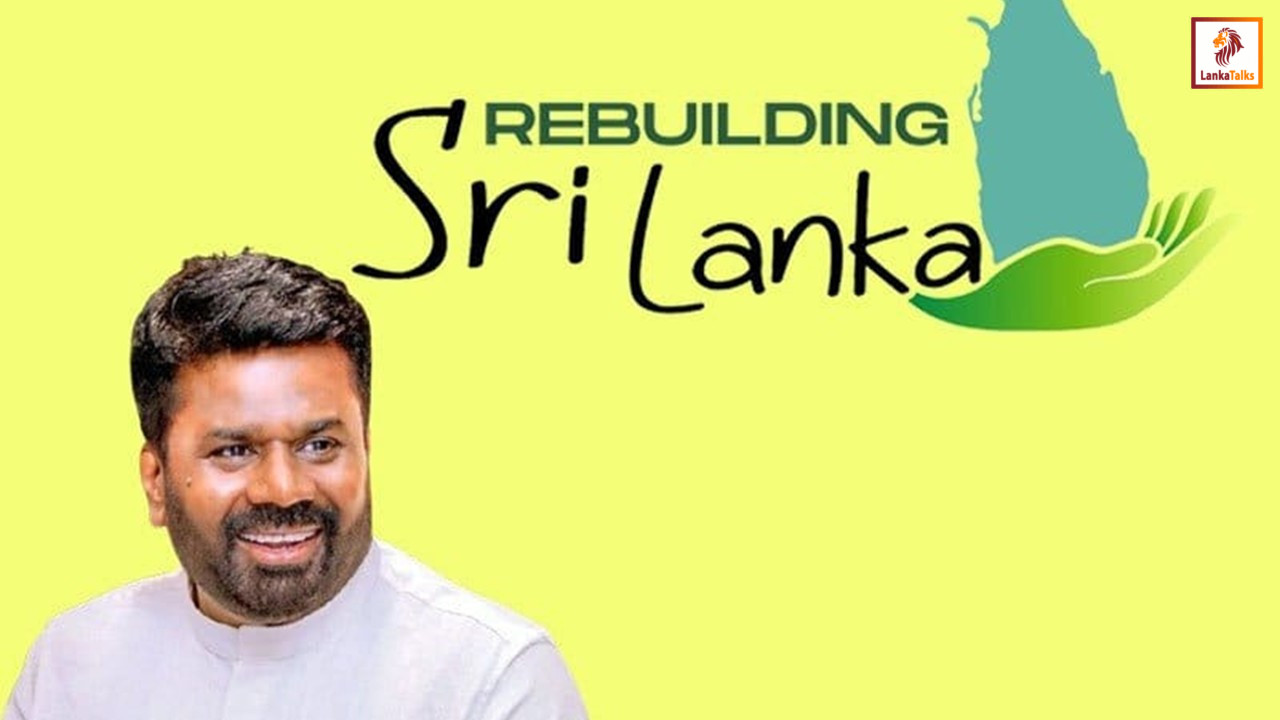
The inauguration of the Rebuilding Sri Lanka national programme will take place in Colombo today (13).
Arrangements have been made to hold the inaugural ceremony of the ‘Rebuilding Sri Lanka’ programme, which has been introduced to effectively steer the country’s rebuilding process, at the Bandaranaike Memorial International Conference Hall, under the patronage of President Anura Kumara Dissanayake.
The programme is being implemented in response to the urgent need for a coordinated national recovery mechanism to address post-disaster recovery and rehabilitation activities arising from the devastation caused by Cyclone Ditwah, which affected all parts of Sri Lanka, resulting in the loss of life as well as damage to private and public property.
At present, the financing of the rebuilding programme is being carried out under three strategic approaches. These include: re-purposing, whereby the objectives of selected ongoing development projects are being revised; re-allocating, whereby additional funds are allocated in accordance with the provisions of the Public Finance Management Act over and above the budgetary allocations (accordingly, a supplementary estimate of Rs. 500 billion will be prepared for this year [2026]); and mobilising domestic, foreign, public and private donor support through the ‘Rebuilding Sri Lanka’ Fund.
In order to provide strategic leadership, coordination, a coherent approach and oversight for the Rebuilding Sri Lanka programme, the President has recently established a Presidential Task Force comprising 25 members, including Ministers and senior public officials, chaired by Prime Minister Dr. Harini Amarasuriya. The Task Force will provide overall guidance, take strategic decisions, resolve inter-Ministerial issues and guide key funding, recovery and reconstruction decisions in relation to the rebuilding activities, including the restoration of basic needs, sanitation and health services, the reconstruction of critical infrastructure, the enhancement of livelihoods and assets, the revitalisation of the local economy, the establishment of digital data systems and decision-support mechanisms, and the improvement of communication and stakeholder engagement. Furthermore, to implement the decisions of the main committee, monitor progress and ensure effective supervision, the following sub-committees are to be established under the chairpersonship of the relevant line Ministers: the Post-Disaster Needs Assessment Committee (to collect, analyse and assess data on the physical, economic and social impacts of the natural disaster); the Public Infrastructure Restoration Committee (to coordinate resources, ensure standards and oversee the rehabilitation and reconstruction of affected infrastructure, including transport, electricity, the water supply, irrigation, health, education and telecommunications); the Housing Restoration Committee for Affected Communities (to repair damaged houses or construct new houses for the affected communities in accordance with the recovery plan); the Local Economy and Livelihood Revitalisation Committee (to support the rapid stabilisation of livelihoods and businesses, restore key supply chains, improve access to financial services and develop economic opportunities); the Social Infrastructure Restoration Committee (to coordinate the restoration of essential social services, including education, health, water, sanitation and welfare assistance); the Finance and Funds Committee (to oversee fundraising, budget planning, donor coordination and the transparent utilisation of the ‘Rebuilding Sri Lanka’ Fund within the framework of the public financial policy); the Data and Information Systems Committee (to prioritise post-disaster recovery needs, guide recovery strategies, and establish information systems incorporating advanced analytical tools, forecasting models and innovative technologies for implementation and monitoring); and the Public Communication Committee (to coordinate public communication, awareness-raising and stakeholder engagement in relation to recovery and reconstruction programmes).
Source - Ada Derana