


 Breaking News
 Tracy
Tracy Tracy
Tracy Jun 21 2026
 889
889- Delay due to ongoing stakeholder deliberations
- Awaiting final plan by telecom operators, TRCSL
- Necessary regulations already completed
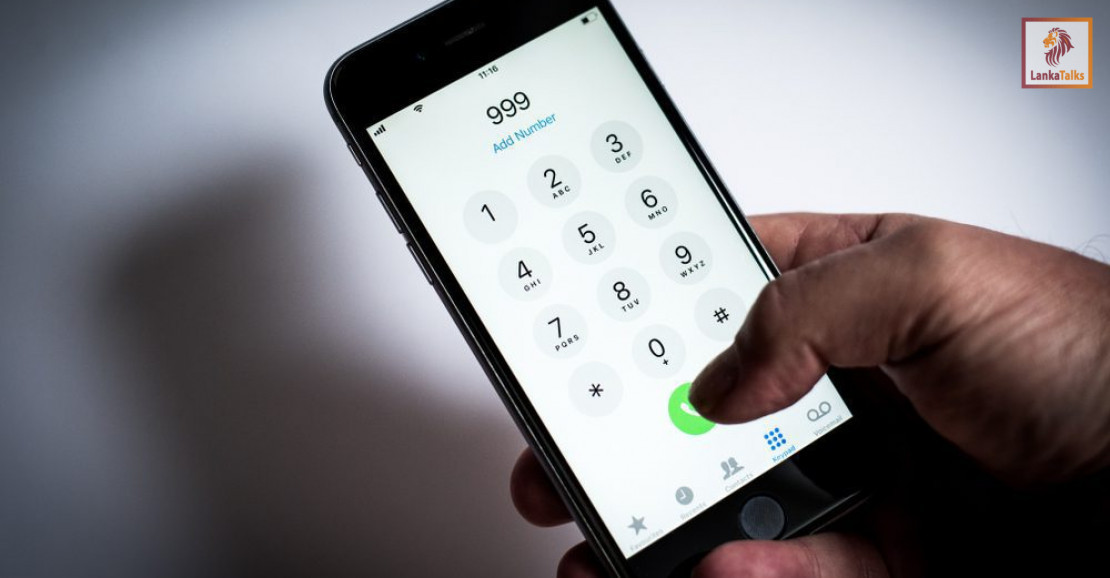
Sri Lanka’s long-awaited number portability facility remains without a concrete launch date due to continued deliberations among industry stakeholders over whether fixed number portability should be introduced simultaneously with mobile number portability, according to the Deputy Minister of Digital Economy.
Speaking to The Sunday Morning Business, Deputy Minister of Digital Economy Eranga Weeraratne stated that he was awaiting a final implementation plan in relation to the number portability facility from telecom operators and the Telecommunications Regulatory Commission of Sri Lanka (TRCSL).
He added that he was hopeful that the facility would be introduced soon.
“I have asked the TRCSL and all the operators to come and give us a date and a proper plan on how they are going to introduce this number portability facility. I’m still waiting for feedback and the way forward from the industry,” he stated.
The Deputy Minister added that while all necessary regulations had been completed, the delay stemmed from ongoing deliberations within the industry on whether mobile number portability should be introduced first, with fixed number portability to follow, or whether both should be introduced simultaneously, a question driven by the fact that fixed number portability was considerably more complex than its mobile counterpart.
Weeraratne also revealed that the original agreement had been to introduce both fixed and mobile number portability simultaneously.
However, issues had emerged over the cost of introducing fixed number portability and the technical capability required to do so. Accordingly, the industry is now considering whether to introduce mobile number portability first and address fixed number portability at a second stage.
He observed that the general understanding was that the public was more concerned with mobile number portability.
Number portability, which enables the switching of mobile and fixed-line numbers across competing service providers, is a customer facility widely practised internationally and is a key facet of a liberalised telecommunications market.
The service was introduced as early as the mid-1990s in Hong Kong, the US, Canada, and Europe, and in several developed Asian markets such as Singapore in 1997 and Pakistan in 2006.
Given its long presence in markets around the world, number portability is hardly a new feature in the telecommunications industry. As of today, the facility has been adopted in more than 60 developed countries with mature telecom markets.