


 Breaking News
 Agikshan
 Agikshan
 Sep 24 2026
 555
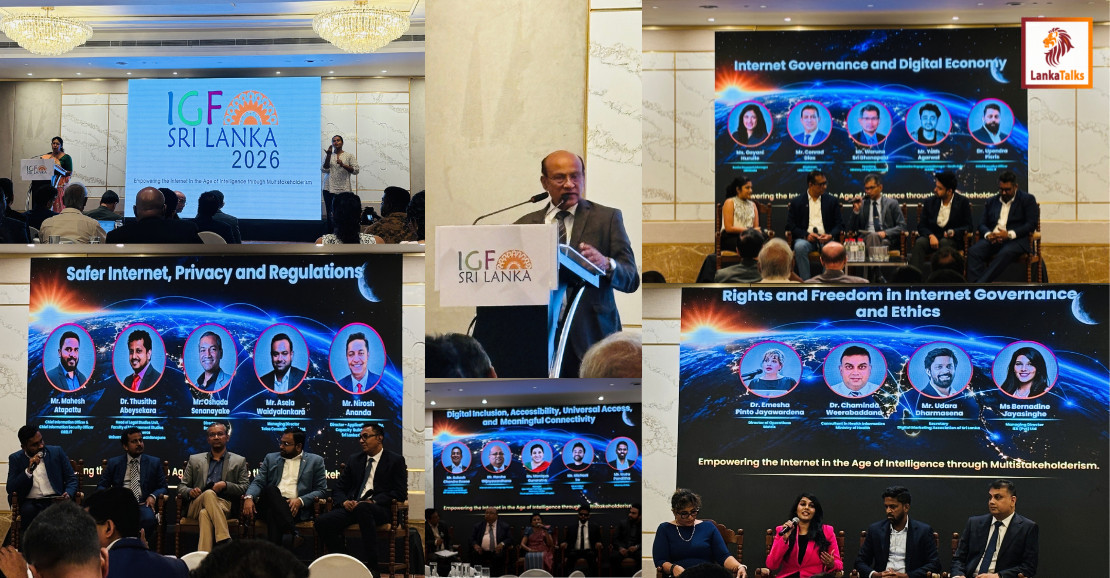
555Colombo, Sri Lanka – 23 September 2026: The Internet Governance Forum Sri Lanka (IGF Sri Lanka) 2026 was held on Wednesday, 23 September 2026, at the Ramada Hotel, Colombo 03, under the theme “Empowering the Internet in the Age of Intelligence through Multistakeholderism.”
The event brought together approximately 100–150 participants representing government, industry, technical communities, civil society, academia, marginalized communities and other stakeholders to discuss the evolving digital landscape and the future of Internet governance in Sri Lanka.
Launched in 2016, IGF Sri Lanka is a national initiative aligned with the mission of the United Nations Internet Governance Forum (UNIGF). It provides a platform for meaningful dialogue and collaboration among government, the private sector, civil society, industry experts, academia and technical communities on issues shaping the future of the Internet.
Over the years, IGF Sri Lanka has marked several important milestones, including the inaugural IGF Sri Lanka in 2016, the 2017 IGF Sri Lanka featuring the world’s first-ever Women IGF, and the virtual Women IGF held in 2020 in response to the challenges created by the COVID-19 pandemic.
Focus on Digital Transformation and
Responsible Governance
The keynote address was delivered by Mr. Tissa Warnasuriya, Hon. Governor of the North Western Province, who highlighted the importance of digital transformation, artificial intelligence, cybersecurity and data-driven governance in building a more efficient and resilient economy.
He emphasized the need to modernize legacy systems, strengthen digital skills, expand digital markets and use technology to improve public services and customer experiences. The address also highlighted the growing importance of cybersecurity, data protection and responsible digital governance in an increasingly connected world.
The keynote reinforced the message that while technology can drive progress, sustainable digital transformation requires skilled people, strategic leadership, strong governance and effective risk management.
The event was also attended by Hon. Deputy Minister of Digital Economy, Eng. Eranga Weeraratne, further reflecting the importance of digital governance and the development of Sri Lanka’s digital economy.
The programme featured four major panel discussions covering critical areas of Internet governance and digital transformation. The official agenda included sessions on Internet governance and the digital economy; safer Internet, privacy and regulations; rights, freedom and ethics; and digital inclusion, accessibility and meaningful connectivity.
Internet Governance and Digital Economy
The first panel examined the evolving landscape of multistakeholder Internet governance and Sri Lanka’s digital economy, highlighting the opportunities and challenges that come with the country’s ongoing digital transformation.
The discussion explored multistakeholderism, policies, rules and regulations, digital payments and the gig economy, while emphasizing the importance of building trust, strengthening digital skills, expanding infrastructure, enhancing cybersecurity and ensuring inclusive policymaking.
The panel also highlighted significant opportunities for Sri Lanka to advance its digital economy. These include expanding digital payment adoption, creating new opportunities through the gig and digital economy, strengthening AI and digital literacy, supporting technology-driven entrepreneurship and innovation, improving digital infrastructure and connectivity, and developing a skilled and bilingual workforce equipped to participate in the digital economy.
Participants further emphasized the need for stronger data protection, cyber resilience and collaboration across sectors to create an environment where businesses, entrepreneurs, innovators and communities can confidently participate in the digital ecosystem.
The panel featured Mr. Conrad Dias, Chairman of LOLC Finance PLC; Mr. Waruna Sri Dhanapala, Secretary, Ministry of Digital Economy; Mr. Yash Agarwal, Stakeholder Engagement Manager – South Asia, ICANN; and Dr. Upendra Pieris, Chief Executive Officer, OREL IT, with Ms. Gayani Hurulle engaging the panelists.
A central message from the session was that building a trusted, inclusive and resilient digital future requires meaningful collaboration between government, industry, technology communities, academia and civil society. Such collaboration can help unlock new opportunities for innovation, digital entrepreneurship, employment and wider participation in Sri Lanka’s digital economy.
Safer Internet, Privacy and Regulations
The second panel focused on cybersecurity, data protection, critical infrastructure resilience, internet child safety and regulatory readiness in Sri Lanka’s digital environment.
The discussion addressed the growing threat of cyberattacks, the need to strengthen the security of Critical National Information Infrastructure (CNII), and the importance of establishing a strong data protection culture alongside the effective implementation of the Personal Data Protection Act. The panel also highlighted the growing need to protect children and young people online through safer digital platforms, greater awareness, responsible technology use and stronger safeguards against online risks.
The session was led by Mr. Mahesh Atapattu, Chief Information Officer & Chief Information Security Officer of OREL IT, who engaged with Dr. Thusitha Abeysekara, Head of Legal Studies Unit; Mr. Oshada Senanayake, Director, Brandix; Mr. Asela Waidyalankara, Managing Director, Tolos Consultancy (Pvt) Ltd; and Mr. Nirosh Ananda, Director, CERT.
The discussion emphasized that a safer and more trusted digital environment requires more than regulations. It also depends on strong cybersecurity practices, organizational accountability, privacy awareness, digital literacy and collaboration between government, industry, civil society and other stakeholders. Particular attention was given to creating a digital environment where children can participate safely while being protected from harmful content, online exploitation, cyberbullying, scams and other emerging digital risks.
The panel also discussed international approaches to data protection, including the European Union’s General Data Protection Regulation (GDPR), and the importance of aligning data protection practices with internationally recognized principles. These include transparency, accountability, purpose limitation, data minimization and appropriate safeguards for the processing and transfer of personal data.
The programme also addressed cross-border data protection, highlighting the importance of responsible international data transfers and appropriate safeguards for protecting personal information. The discussion covered data protection principles, recent amendments to Section 26 of the Personal Data Protection Act and the conditions under which personal data may be transferred across borders.
Overall, the session highlighted the importance of building a secure, privacy conscious and child-friendly digital environment in Sri Lanka, supported by effective regulation, responsible technology practices, stronger cybersecurity capabilities and cooperation across sectors.
Rights, Freedom and Ethics in Internet Governance
The third panel explored the relationship between technology, artificial intelligence, freedom of expression and ethical digital participation.
The discussion highlighted how technology and AI can promote freedom of expression, enhance professional skills and create new opportunities across borders, while stressing the importance of using technology wisely, safely and responsibly.
Participants emphasized that technological progress must remain centred on human values, respect and responsibility. Issues including cyberbullying, online responsibility, freedom of expression and the ethical use of digital platforms were also discussed.
The session was led by Dr. Emesha Pinto Jayawardena, Director of Operations, Matrix, who engaged with Dr. Chaminda Weerabaddana, Consultant in Health Informatics, Ministry of Health; Mr. Udara Dharmasena, Secretary, Digital Marketing Association of Sri Lanka; and Ms. Bernadine Jayasinghe, Managing Director, ILS (Pvt) Ltd.
The session reinforced the broader message that technology should not only expand knowledge and capabilities, but should also be guided by responsibility, ethics, respect and humanity.
Digital Inclusion and Meaningful Connectivity
The fourth panel focused on digital inclusion, accessibility, universal access and meaningful connectivity, highlighting the importance of ensuring that the benefits of Sri Lanka’s digital transformation reach people and communities across society.
The discussion examined the need to move beyond basic access to technology and connectivity, emphasizing the importance of creating an inclusive digital environment where individuals can access, understand and meaningfully participate in digital services and opportunities. Particular attention was given to accessibility and the need to ensure that digital technologies and services are designed to accommodate diverse needs, including those of persons with disabilities.
During the interactive session, Mr. Subash Chandra Bowse raised questions for the panel, prompting perspectives from Mr. Harsha Wijayawardhana, an Internet and ICT governance expert in Sri Lanka; Ms. Manique Gunaratne, Manager of the Specialised Training and Disability Resource Centre at the Employers’ Federation of Ceylon; and Mr. Guru Panditha, Attorney-at-Law.
The responses highlighted the importance of considering accessibility, inclusion, digital rights and equal participation when developing policies, technologies and digital services. The discussion also reinforced the need for collaboration between policymakers, technology stakeholders, civil society, the private sector and communities to address barriers to meaningful connectivity.
The panel emphasized that digital inclusion is not simply about connecting people to the Internet, but about ensuring that connectivity is affordable, accessible, usable and meaningful, enabling people from different backgrounds and abilities to benefit from the opportunities created by digital transformation.
As the final substantive panel of Internet Governance Forum Sri Lanka 2026, the session brought the forum’s discussions towards a broader reflection on building a digital future that is inclusive, accessible and responsive to the needs of all communities.
A Platform for Sri Lanka’s Digital Future
IGF Sri Lanka 2026 demonstrated the importance of bringing different sectors together to discuss the opportunities and challenges emerging from rapid technological development and the growing influence of artificial intelligence.
Across the sessions, recurring themes included digital skills, AI literacy, cybersecurity, data protection, responsible technology use, inclusive policymaking, digital inclusion and multistakeholder collaboration.
The discussions highlighted that Sri Lanka’s digital future will depend not only on technological advancement, but also on the ability of government, industry, academia, civil society and technical communities to work together to build a secure, inclusive, trusted and human-centred digital environment.
With its continued focus on multistakeholder dialogue, IGF Sri Lanka remains an important platform for discussing how Sri Lanka can navigate the opportunities and responsibilities of the digital age while ensuring that technology serves people and society.
LankaTalks participated as a Digital Media Partner of IGF Sri Lanka 2026.