


 Breaking News
 Puvanya
 Puvanya
 Oct 23 2026
 38
The European Union held a technical workshop in Colombo on Wednesday (21) to help Sri Lankan stakeholders prepare for the EU Deforestation Regulation (EUDR), which covers rubber and rubber-derived products exported to the EU, a press release by the 27-nation bloc said.
Accordingly, the workshop focused on traceability, reliable production data and supply chain coordination, and reviewed findings on Sri Lanka’s readiness, with emphasis on keeping Sri Lankan rubber exports competitive in the EU market.
Organised by the EU-funded Green Recovery Facility (GRF), implemented by Expertise France, the event brought together representatives of Government institutions, the rubber industry and other stakeholders to engage directly with European experts on the Regulation’s requirements and implications for Sri Lankan exporters.
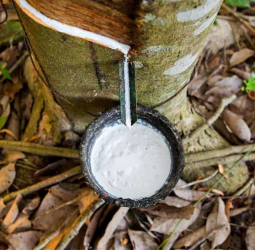
As the EUDR aims to minimise the EU’s contribution to global deforestation and forest degradation by setting requirements for certain commodities; natural rubber and range of rubber-derived products, including tyres, rubber hoses and conveyor belts, fall within the regulation’s scope, making traceability, reliable production data and supply chain coordination important considerations for Sri Lanka’s rubber industry.
Opening the workshop, Secretary to the Ministry of Plantation and Community Infrastructure Gunadasa Samarasinghe emphasised the importance of strengthening Sri Lanka’s preparedness for evolving international sustainability requirements while maintaining the competitiveness of its rubber exports.
He noted: “Rubber is an important export sector for Sri Lanka, supporting livelihoods and contributing to the national economy. Maintaining access to the European Union market requires the sector to adapt to evolving requirements, including the EU Deforestation Regulation (EUDR). It is therefore essential that producers, processors and exporters are equipped with the knowledge and systems needed to meet these requirements and maintain their competitiveness. This workshop provides a valuable opportunity to engage directly with the European Commission, clarify the EUDR requirements and identify practical steps to strengthen Sri Lanka’s preparedness, safeguard livelihoods and sustain rubber exports to the EU.”
Delegation of the European Union to Sri Lanka and the Maldives Head of Partnerships Virginie Lafleur-Tighe, also addressed participants at the opening session, stating: “The European Union is committed to working in partnership with Sri Lanka to support practical preparedness for the EUDR, especially through technical dialogue, stronger traceability and support for producers and smallholders. Our shared objective is to promote sustainable production, protect forests and help maintain responsible trade links with the EU.”
During the workshop, Alessio Cartosio, Policy Officer at the European Commission’s Directorate-General for Environment, outlined the objectives of the EUDR, the obligations of EU operators and traders, the implications for producers in countries exporting to the EU, and the arrangements for implementing the regulation. Participants were also able to raise questions and seek clarification directly from the European Commission. European Forest Institute (EFI) Forest Governance Expert Peter Aldinger presented findings from the Institute’s 2025 assessment of Sri Lanka’s preparedness for the EUDR, focusing particularly on the rubber sector and areas requiring further attention.