


 Breaking News
 Tracy
Tracy Tracy
Tracy Jul 24 2026
 623
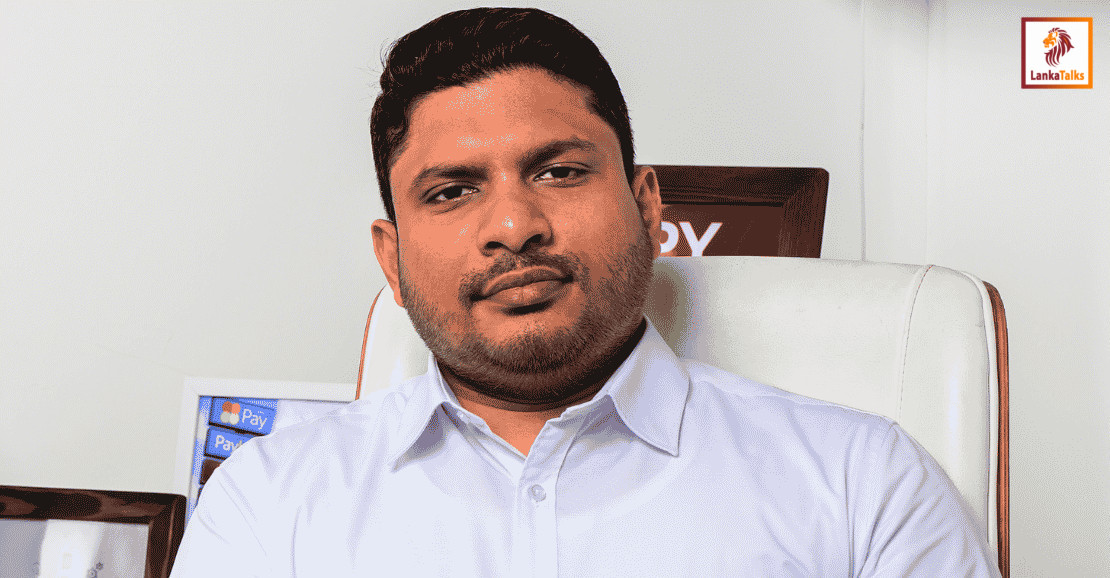
623Sri Lanka's fintech sector has produced several companies that have transformed the way people communicate, transact and participate in the digital economy. However, according to entrepreneur and FinTech Forum Sri Lanka Board Director Dhanika Perera, the country's next phase of growth will depend not only on successful companies, but on the strength of the ecosystem that supports innovation. Drawing on his experience as the founder of Helakuru and PayHere, Perera says many of the challenges facing the industry, including regulation, interoperability, financial inclusion, digital literacy and technology adoption, cannot be solved by individual organisations alone. "Throughout my entrepreneurial journey, I've learned that no single company can transform an entire ecosystem on its own," he says. "Many of the challenges we face are industry-wide challenges that require industry-wide collaboration."
It is this belief that led him to become actively involved with the FinTech Forum Sri Lanka. While fintech companies focus on developing products and competing in the marketplace, Perera believes the Forum has a broader responsibility: creating an enabling environment where innovation can flourish across the financial services industry. "The FinTech Forum has the opportunity to operate at a different level—not by building products, but by helping create an environment where innovation can thrive across the entire industry," he says. According to Perera, bringing together fintech companies, banks, regulators, policymakers and technology providers enables the industry to address common challenges collectively while supporting innovation that benefits the wider economy. Among the Forum's priorities are accelerating digital payment adoption, expanding financial inclusion, promoting interoperability across financial systems and strengthening collaboration between the public and private sectors. Perera also highlights the importance of creating more opportunities for knowledge sharing as Sri Lanka's fintech sector continues to mature. "Sri Lanka has a growing fintech ecosystem with many talented entrepreneurs," he says. "We need more opportunities to share experiences, discuss challenges and collectively shape policies that encourage innovation while maintaining trust and security." He believes a stronger fintech ecosystem will deliver benefits that extend beyond the industry itself, contributing to improved payment infrastructure, stronger cybersecurity, common standards and more effective regulation.
Looking beyond Sri Lanka, Perera says building a resilient fintech ecosystem could also strengthen the country's position as a regional hub for financial technology innovation. "If we can build a stronger fintech ecosystem in Sri Lanka, I believe we will not only improve financial services locally but also position Sri Lanka as a country capable of developing innovative financial technology solutions for the region," he says. Despite the industry's rapid evolution, Perera maintains that fintech should ultimately be measured by the value it creates for people. "At the end of the day, the success of fintech should not be measured by the number of fintech companies or new technologies. It should be measured by how much easier it makes people's lives." For small businesses, he says, that means easier access to digital payments, financing and cash-flow management. For consumers, it means safer, faster and more convenient financial services. For entrepreneurs, it creates opportunities to build innovative businesses on a modern digital foundation. "Our collective goal should be simple: to build a financial ecosystem that is more inclusive, more innovative and more accessible for every Sri Lankan. If our work helps more people and businesses confidently participate in the digital economy, then we have fulfilled our purpose," Perera says.