


 Breaking News
 Puvanya
 Puvanya
 Oct 13 2026
 20
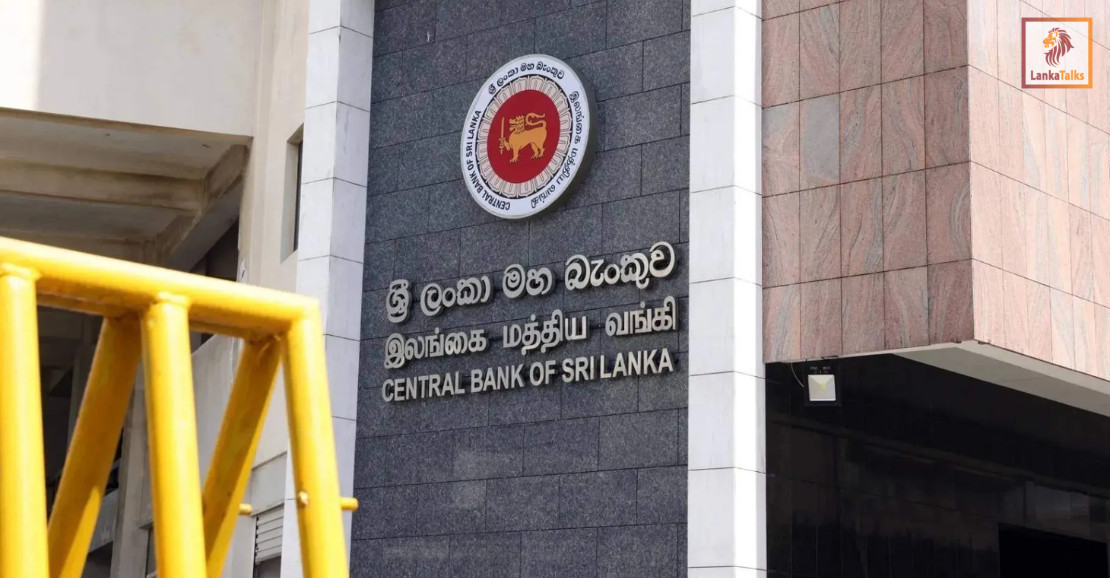
20Amidst multiple shocks, Sri Lanka’s financial system remained stable during the first half of 2026, supported by the continued economic recovery, sustained adequacy of capital and liquidity buffers across banks and finance companies (FCs), and improved fiscal performance, according to Central Bank of Sri Lanka’s Financial Stability Review for the Year 2026 report released recently.
While domestic macrofinancial conditions remained stable, intensifying uncertainties in the global environment increased the risk of adverse spillovers to the domestic economy, the report noted. “Stability during the review period was supported by the continued recovery in economic activity, improved fiscal conditions and stronger financial sector performance. These developments provided an important cushion against heightened external uncertainties and supported the overall stability of the financial system.”
“Nevertheless, the external environment remained challenging. Heightened geopolitical tensions, resurgent global inflationary pressures, elevated energy and commodity prices, tighter global financial conditions, growing trade fragmentation and increasing climate-related risks continued to pose potential spillovers to the domestic economy.”
The report noted that during this period, Sri Lanka remained particularly exposed to adverse external developments, given its significant exposure through trade, tourism receipts, workers’ remittances, capital flows, external financing conditions and exchange rate dynamics.
Further, it described the potential build-up of systemic vulnerabilities on the domestic front, with credit growth, particularly in household lending, including vehicle financing and gold-backed lending, widening the private sector credit gap.
The Central Bank of Sri Lanka released its annual Financial Stability Review (FSR) for 2026 under Section 70(1) of the Central Bank of Sri Lanka Act, No. 16 of 2023, which is meant to offer an assessment of the stability of the financial system, identify and evaluate the associated risks and vulnerabilities, and outline the policy measures implemented by the Central Bank and other regulatory authorities.