


 Breaking News
 Krishani
 Krishani
 Oct 05 2026
 319
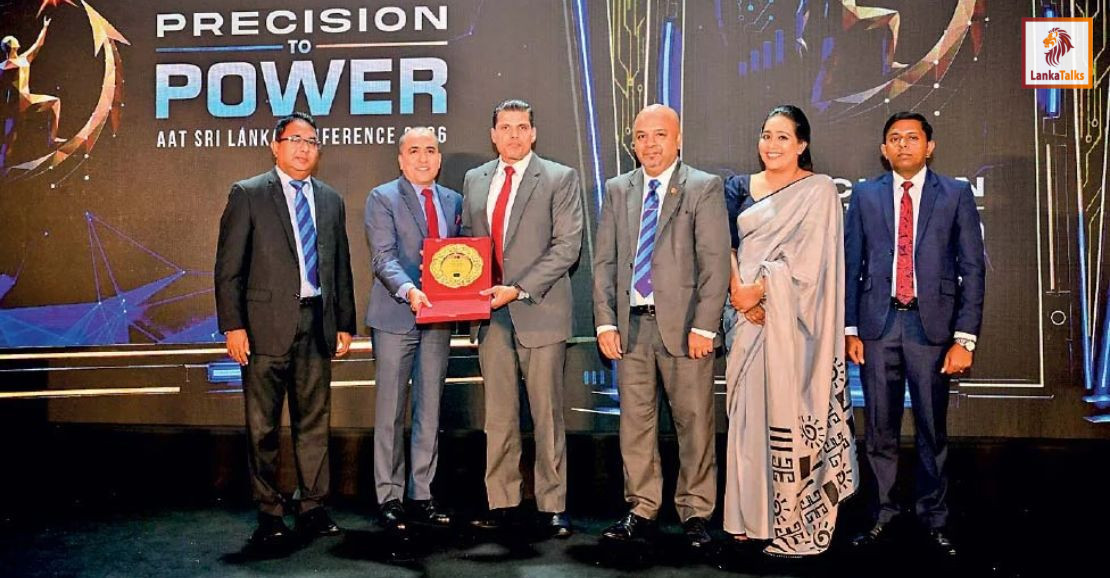
319The AAT Sri Lanka Conference 2026 examined how knowledge, character and continued performance translate into professional influence, with keynote speaker CA Sri Lanka President Tishan Subasinghe addressing the conference theme “Precision of Power.”
Held on 8 and 9 September at Waters Edge, Battaramulla, the conference brought together industry leaders and professionals for two days centred on knowledge, collaboration and the future of the accounting profession.
At the request of the conference chairperson, Subasinghe set aside technical subject matter and built his address around the two elements of the theme: power and precision.
“Precision turns knowledge into competency; competency builds credibility; credibility creates influence; and influence over a period of time gives power — not mere authority or designation,” he said.
His central message was that power does not create character; it reveals it. “If you want to see the true nature and colours of a person, put them in a seat with authority and power,” he told delegates. Subasinghe described power as the ability, strength or right to act, control people, get things done and influence people and processes. He noted that power is often tied to position, authority and seniority, with seniority frequently outweighing talent in this part of the world.
Turning to accountants and business leaders, he identified knowledge, technological ability, networks, relationships, communication and execution skills as sources of professional power.
“Knowledge is power. Technological ability is power. Networks and relationships are power. Communication skills and execution skills are sources of power,” he said. “If one cannot get things executed, there is no power; people notice, and you cannot lead.”
Calling power “a dangerous game,” he traced the concept through history, referring to Chanakya during the Maurya Empire and Niccolò Machiavelli in Italy, who had counselled rulers on acquiring and retaining power.
“On a daily basis, politicians go to jail because of power, people kill and get killed because of power, and kings wage war because of power. In corporate boardrooms, board chairpersons are taken out and replaced, all for power,” he said.
He cautioned that power requires careful use. “As much as power is beautiful, useful and resourceful, unless it is put to correct use, the person holding power opens the doors to destruction.”
Precision through credibility and performance
Comparing power to a baked cake and precision to its icing, Subasinghe described precision as the disciplined positioning of power as something earned rather than assumed.
“Precision is positioning power as something earned through knowledge, character, credibility, relationships and continued performance,” he said.
Promoting people into authority before they have developed those attributes, he warned, “can create a mess within an organisation.”
At the chairperson’s request, he illustrated the theme through his career, beginning with his early years at BDO across audit, forensic investigation, due diligence, valuation and information systems work.
“On my first valuation report 15 years ago, I received a five-to-six-page letter from the Securities and Exchange Commission highlighting mistakes,” he recalled. “Through hard work on assignments for companies like the Tata Group, I learned until we reached a point where we received no negative comments.”
He said consistent preparation earned him rapid promotions while working with PwC’s Southern African practice. Recalling an audit of a large garment manufacturer in Botswana employing between 5,000 and 6,000 workers, he described how refusing a bribe strengthened his credibility.
“I uncovered a fraud. The directors offered bribes to conceal it, but I reported it to my partners at PwC. When law enforcement investigated, the directors acknowledged that I had refused the money. That credibility opened opportunities for me to work at PwC’s international head office in Manhattan, New York.”
He also discussed his work on Sarbanes-Oxley compliance in the United States, where he later qualified as an Attorney-at-Law. Combining accounting, auditing and legal knowledge, he said, “allows us to produce unique reports that provide true precision to power.”
Sustained professional relationships and communication, he added, contributed to his election as President of CA Sri Lanka.
Closing his address, Subasinghe stressed that knowledge becomes power only when applied. He cited his MBA studies, which he said he extended from 25 academic modules into 33 applied areas, including transforming non-billing functions such as human resources into revenue-generating consulting work.
He linked this approach directly to the AAT Sri Lanka Conference programme.
“The segments of this conference directly align with building precision: business and entrepreneurial thinking, tax and technical knowledge, technology and AI, and understanding people and leadership,” he said.
“By updating yourself across these themes, you put the icing on the cake, stay relevant, and draw the required energy to seize power in your organisations.