


 Breaking News
 Puvanya
 Puvanya
 Oct 14 2026
 30
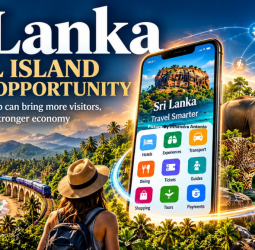
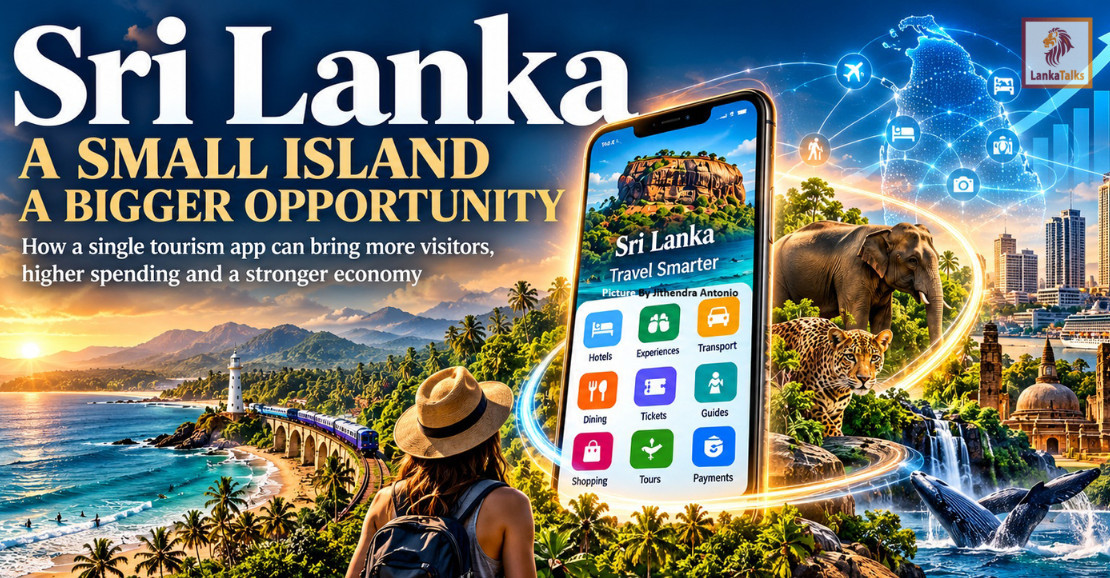
30The next great opportunity in Sri Lankan tourism may not be another hotel, another airport terminal or another advertising campaign. It may be the creation of a government-backed digital platform that connects the tourist, the bank, the mobile network, the national park, the heritage site, the government bungalow, the restaurant and the local entrepreneur—turning a fragmented visitor economy into a connected commercial ecosystem.Sri Lanka has become remarkably good at counting tourists.
It knows how many visitors arrive each month, which countries they come from, how arrivals rise during the winter travel season and how quickly the numbers can collapse when a terrorist attack, pandemic or economic crisis intervenes. The country has spent years rebuilding the tourism industry after the end of the civil war on 18 May 2009, recovering from the Easter Sunday attacks, surviving the pandemic and navigating the economic collapse that exposed the country's dependence on foreign exchange.
The numbers tell a story of recovery. Sri Lanka received 447,890 tourists in 2009. By 2018, arrivals had climbed to 2,333,796. The pandemic reduced the annual figure to 194,495 in 2021. Recovery followed, and in 2025 the country recorded 2,362,521 arrivals, generating approximately US$3.2 billion in tourism revenue.But the next phase of tourism development demands a different question.