

 Breaking News
 A.R.B.J Rajapaksha
 A.R.B.J Rajapaksha
 Jan 12 2026
 437
437- PM says steps are under way to standardise curriculum, teacher training, and quality assurance
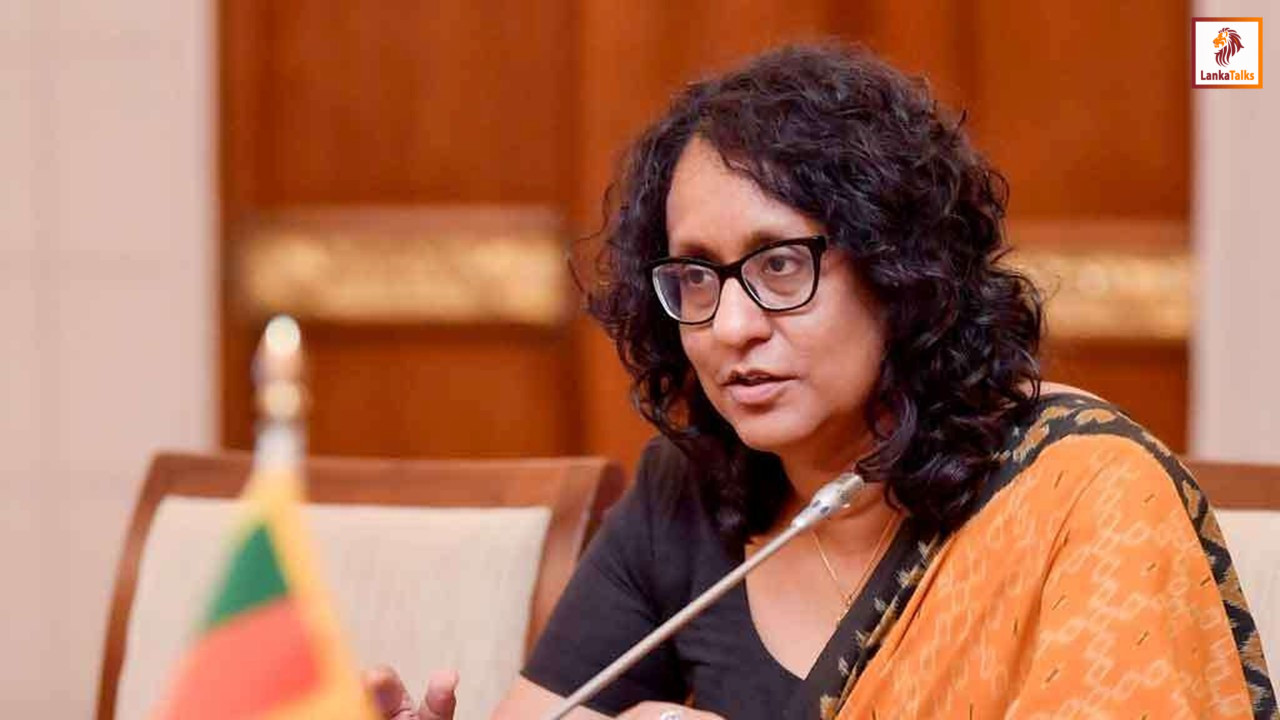
Prime Minister and Education Minister Dr. Harini Amarasuriya said the Government has commenced the necessary measures to regulate and maintain preschool education under a unified framework, align preschool education with a standard curriculum, conduct teacher training in a systematic manner, and ensure quality standards across the sector.
She made these remarks on 10 January during the launch of the National Communication Programme for Child Health Promotion, aimed at promoting social and behavioural change (SBCC) among early childhood children.
The programme is jointly organised by the Health Promotion Bureau, the Ministry of Women and Child Affairs, the Ministry of Education, Higher Education and Vocational Education, United Nations International Children's Emergency Fund (UNICEF), and the Clean Sri Lanka Programme.
Addressing the event, Dr. Amarasuriya said early childhood development (ECD) has a profound impact on a country’s human development and long-term progress. She said it is widely accepted that a child’s future largely depends on experiences during early childhood, with many critical aspects of development occurring within the first five years of life.
“The experiences, care, and love a child receives during this period are decisive,” the Premier said, noting that social integration, relationships, and environmental influences in early childhood form the foundation of an individual’s development into adulthood.
She also said early childhood development influences life to such an extent that its effects are difficult to reverse later in adulthood. Dr. Amarasuriya emphasised that the responses of adults to children’s actions, the way they interact with them, and the care they provide play a crucial role in shaping a child’s development.
Stressing that early childhood development should not be viewed as the sole responsibility of parents, she said it is a collective responsibility of all citizens. “No child can be raised into a good citizen by parents alone,” she said, noting that beyond parents, many individuals influence a child’s growth through care, love, and guidance.
Commenting further, she said the Government views child care as a social responsibility, which includes supporting children, providing care, ensuring protection, education, and access to health facilities. In this regard, she said the Clean Sri Lanka Programme plays an important role in communicating these values to the public.
Highlighting the role of preschool teachers, the Premier said they carry out a vital intervention in the lives of children. She said the love, care, attentive listening, and responses children receive at this stage are decisive for their development.
She also said an education policy on early childhood development has been formulated with technical assistance from UNICEF. Steps are being taken to operate preschool education under a single framework, align it with a unified curriculum, systematically conduct teacher training, and ensure quality standards.
Recognising early childhood development as a specialised area within education, Dr. Amarasuriya affirmed that the necessary policy and institutional interventions would be implemented accordingly.
Minister of Women and Child Affairs Saroja Savithri Paulraj, also addressing the event, said the Ministry has identified the standardisation and development of early childhood development as a primary goal for 2026.
She said children who leave the warmth of their mother’s embrace and father’s shoulder come to preschool expecting the same love and care from their teachers. Conveying that warmth through words and expressions, she said, is a responsibility entrusted to preschool teachers.
The Minister said the love and safe environment children receive during early childhood shape their ability to care for the environment and respect others later in life.
Minister of Health and Mass Media Dr. Nalinda Jayatissa, addressing the gathering, said the Government’s goal is to build a future generation capable of leading the country, free from the hardships and challenges faced today.
He said creating a healthy population is a major challenge, particularly in preventing non-communicable diseases. Noting that children aged three to five today will become young adults by 2040, the Minister said sustained and comprehensive programmes are essential to protect future generations from such diseases.
Source - The Morning